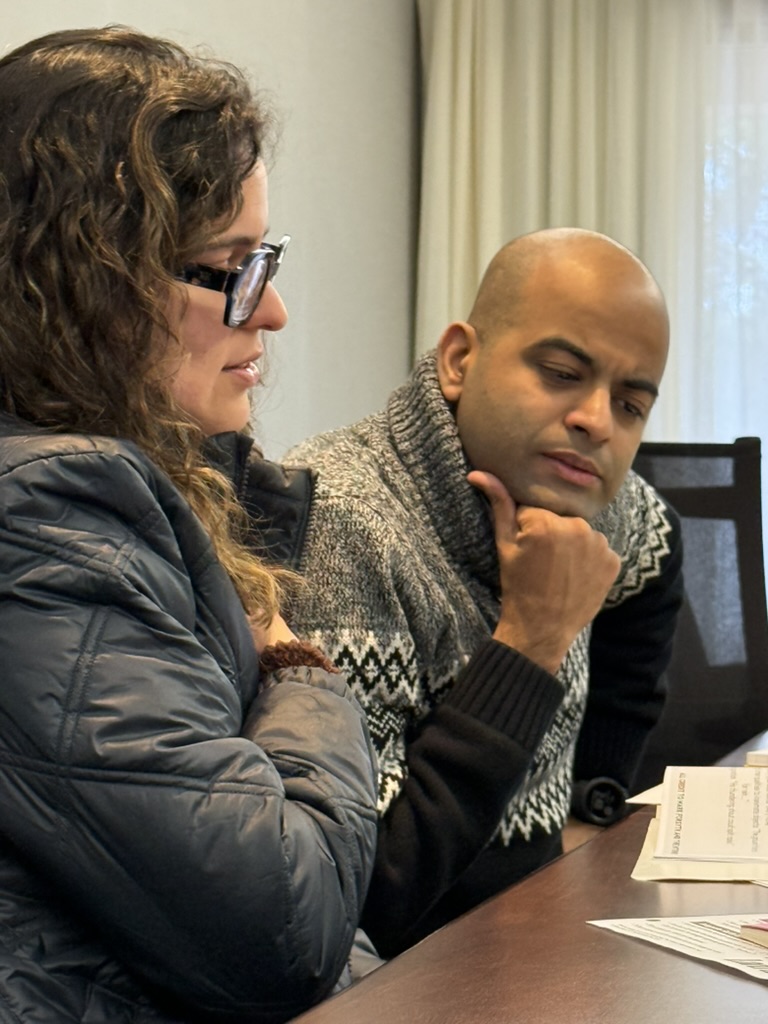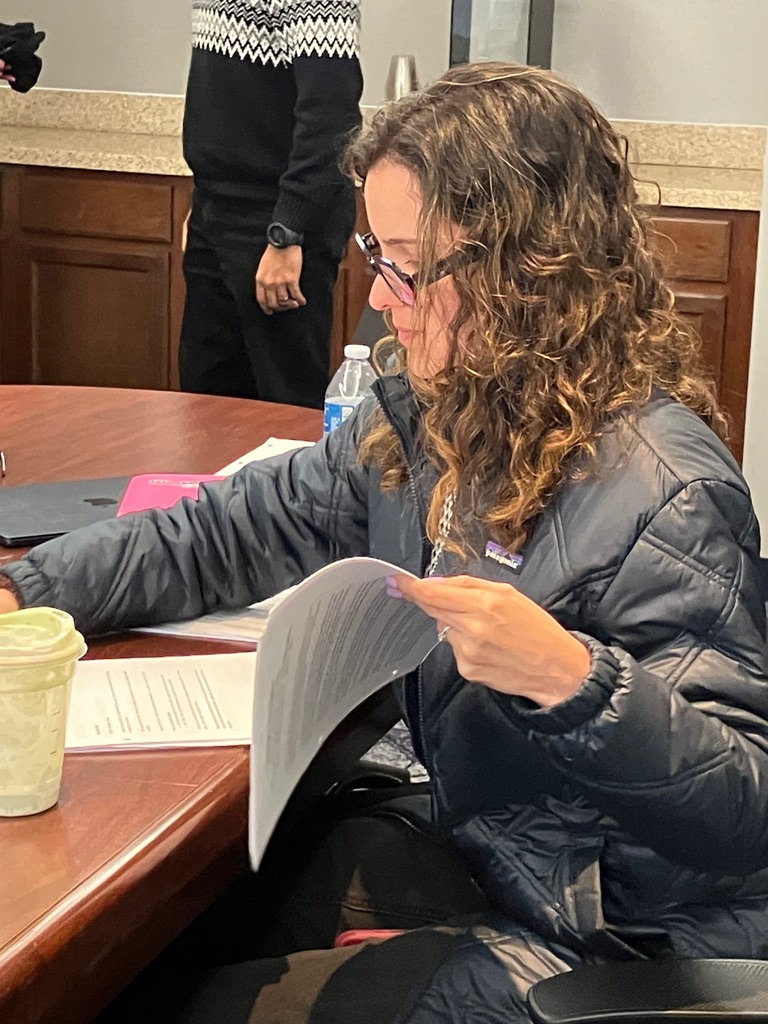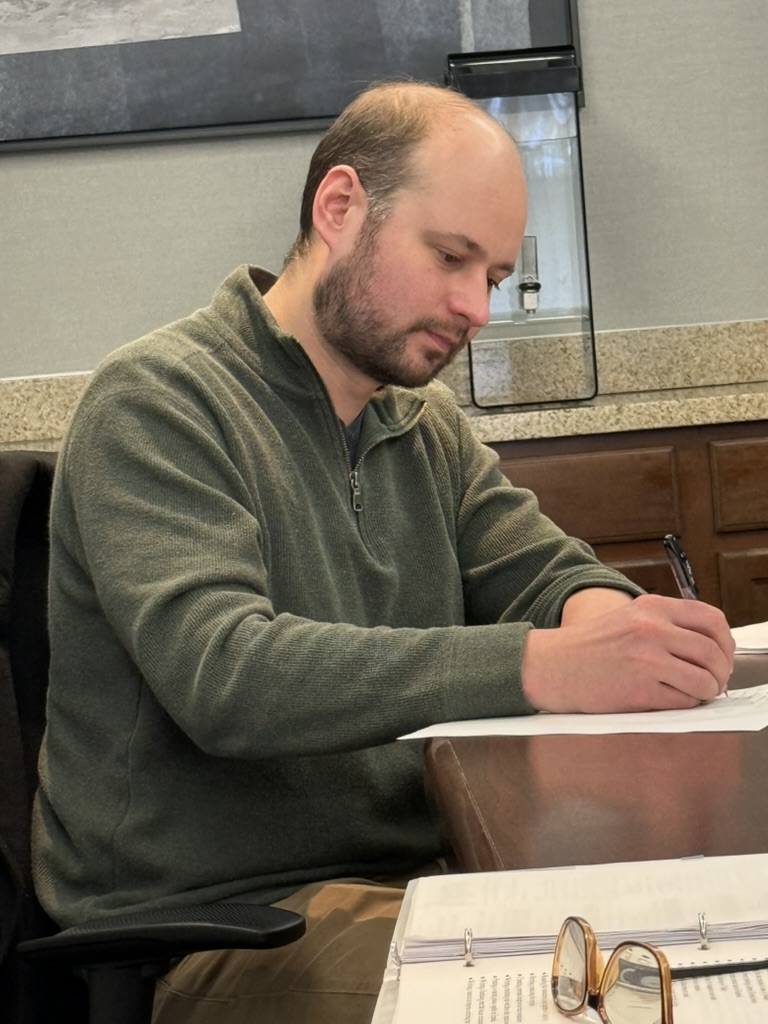


Earlier this month, Reliance College hosted the first in-person intensive of AI Proof U™ in Chicago. The experience offered a clear view into what this program is designed to do and why it matters at this particular moment. Over several days, participants engaged in sustained discussion, careful reading, and collaborative exercises that are increasingly rare in modern education. What stood out most was not any single activity, but the level of seriousness with which participants approached both the material and their own thinking.
Participants came from different professional backgrounds, but they shared a common concern: a sense that much of today’s educational and professional environment does not create the conditions for independent thinking. One participant, Raja Brahmakshatriya, trained as an engineer, found himself questioning whether he had been focusing on the right problems altogether. In this context, the structure of AI Proof U™—which emphasizes preparation, active participation, and reflection—created a noticeably different dynamic. Participants were not simply receiving information; they were working through ideas and testing them against their own experience.
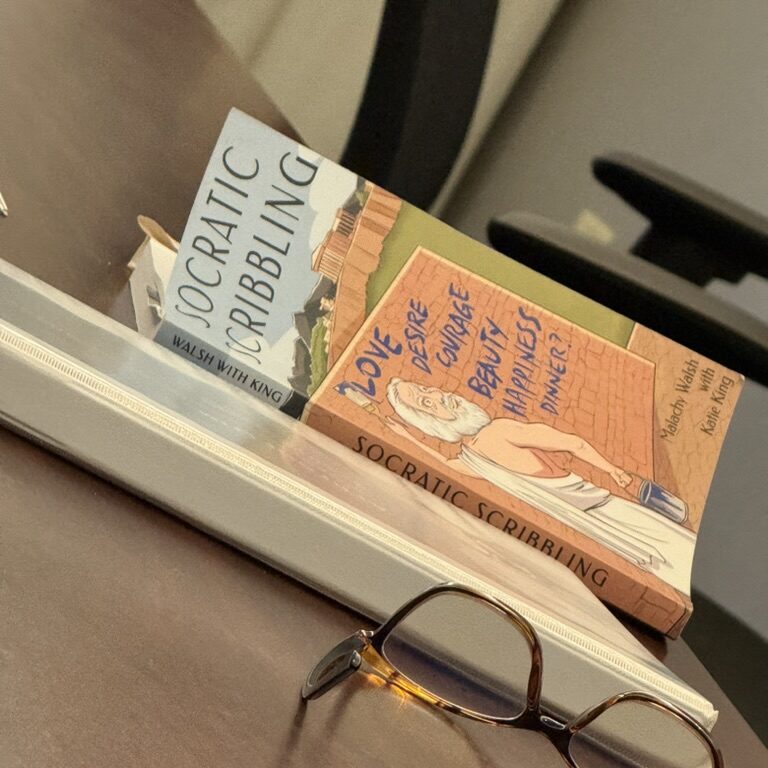
Several of the readings prompted this shift in a direct way. Ayn Rand’s Philosophy: Who Needs It led Raja to reconsider assumptions he had long taken for granted, raising the question of whether he had been neglecting fundamental issues in his own thinking. Rather than treating philosophy as abstract or optional, he began to see it as something that directly shapes one’s actions and direction in life. This kind of response is central to the program. The goal is not coverage, but engagement – creating the conditions in which ideas become personally meaningful and difficult to ignore.
A central theme that emerged throughout the intensive was the nature of judgment. In one discussion, participants examined a neurological case described by Antonio Damasio: a man who retained his full capacity for logical reasoning after brain surgery, yet lost the ability to make decisions. He could analyze situations and anticipate outcomes, but he could not determine what to do.
As Marsha Familaro Enright explained, the issue was not intelligence or reasoning ability, but a disconnection between reasoning and the emotional framework that gives decisions weight and direction. This led to a deeper exploration of what judgment actually requires, and why it cannot be reduced to logic alone.
This question became especially relevant in the context of artificial intelligence. Rather than focusing on speculation or headlines, participants examined what AI can and cannot do in principle. The discussion quickly moved beyond surface-level concerns to a more fundamental issue: even if machines can generate answers, they do not determine which questions are worth asking, which goals are worth pursuing, or which trade-offs are acceptable. Those remain human responsibilities, and they depend on the capacity for judgment that this program is designed to develop.
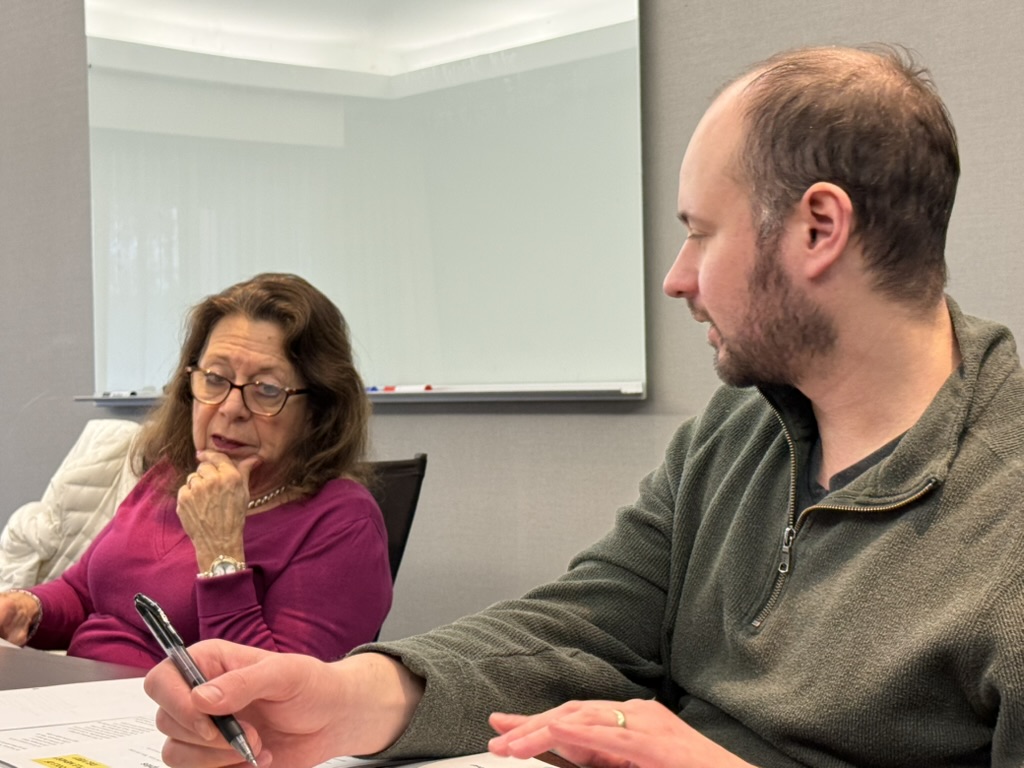
Readings from Viktor Frankl and Mihaly Csikszentmihalyi extended the discussion further by turning attention to the relationship between freedom and perspective. Participants considered how individuals maintain a sense of agency even under extreme constraints, and what that implies for their own lives. These ideas did not remain abstract for long. They led to concrete questions about how participants were using their time, what they were prioritizing, and whether their current paths reflected deliberate choices or unexamined habits. In this respect, the intensive functioned as an opportunity not just to learn, but to reassess direction.
The structure of the program reinforced this orientation toward action. Participants were expected to formulate their own questions, engage directly with one another’s ideas, and think through problems in real time. Even lighter elements, such as small-group exercises and improvisational activities, contributed to building adaptability, presence, and confidence. These were not add-ons, but part of a broader effort to connect thinking with action—to ensure that reflection leads to clearer, more deliberate decision-making.
One of the most meaningful outcomes of the intensive was the shift in how participants approached their own situations. For some, this meant reconsidering career direction; for others, it meant engaging more seriously with questions they had previously set aside. What made this possible was not the acquisition of new technical skills, but the opportunity to step back, examine assumptions, and think with greater clarity.
This is the core aim of AI Proof U™: to develop the underlying capacities that allow individuals to navigate complexity, rather than simply react to it.
As the program continues with weekly guided seminars, participants will build on this foundation and apply these ideas more directly to their own projects and decisions. We will be sharing more reflections and insights as the cohort progresses, along with updates on future offerings.
If you would like to follow along, we invite you to stay connected. You can follow Reliance College on social media for ongoing updates and reflections, and subscribe to our newsletter to be the first to hear about the upcoming fall cohort of AI Proof U™.