

There’s a certain kind of feedback that arrives on schedule – the end-of-week survey, the follow-up email sent thirty days after a program closes, the alumni questionnaire. We use those too. They’re useful.
And then there’s the other kind.
Recently, two emails arrived from students who attended The Great Connections Seminar last summer. Neither was prompted. Neither was responding to a request for feedback. They wrote because something reminded them of the experience — and they found they had things to say that they hadn’t fully said before.
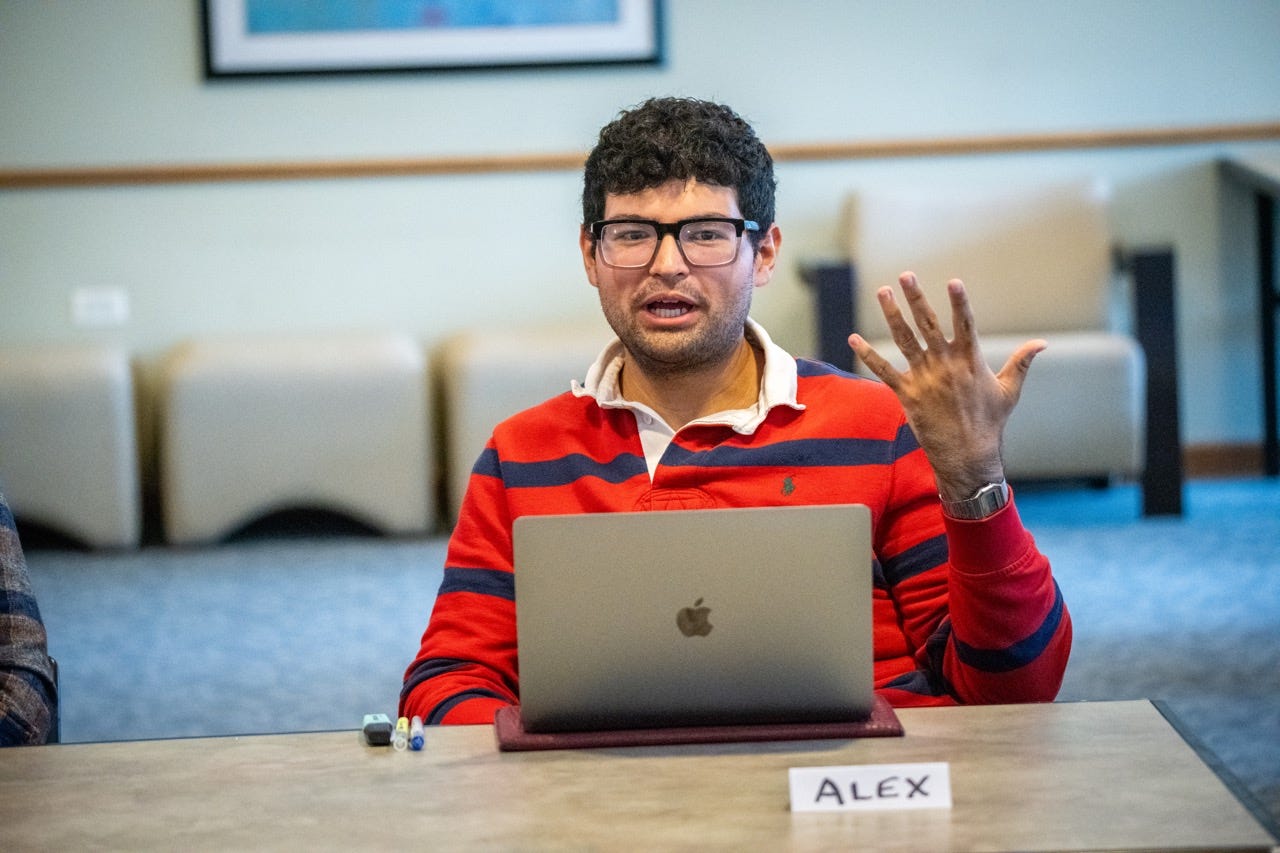
José Alejandro Iturralde is a recent International Business graduate from Mexico. In the twelve months since he sat in a seminar room in Chicago, he’s represented his country at the World Youth Festival in Russia and participated in a program in New York connected to the United Nations. By any measure, these are significant experiences.
But here is what José chose to write about instead.
“What I encountered there was something I had not experienced before. The seriousness with which ideas were treated, the discipline of returning to the text, and the expectation to think carefully rather than react quickly left a lasting impression on me.”
And then this:
“While these experiences have been valuable in themselves, I often find that the habits of thought I developed during the seminar have been what allowed me to benefit from them in a deeper way.”
José didn’t attend the World Youth Festival and then credit it with teaching him how to think. He attended it with habits of thought already in place — habits he traces back to one week in Chicago — and found that those habits changed the quality of everything that followed.
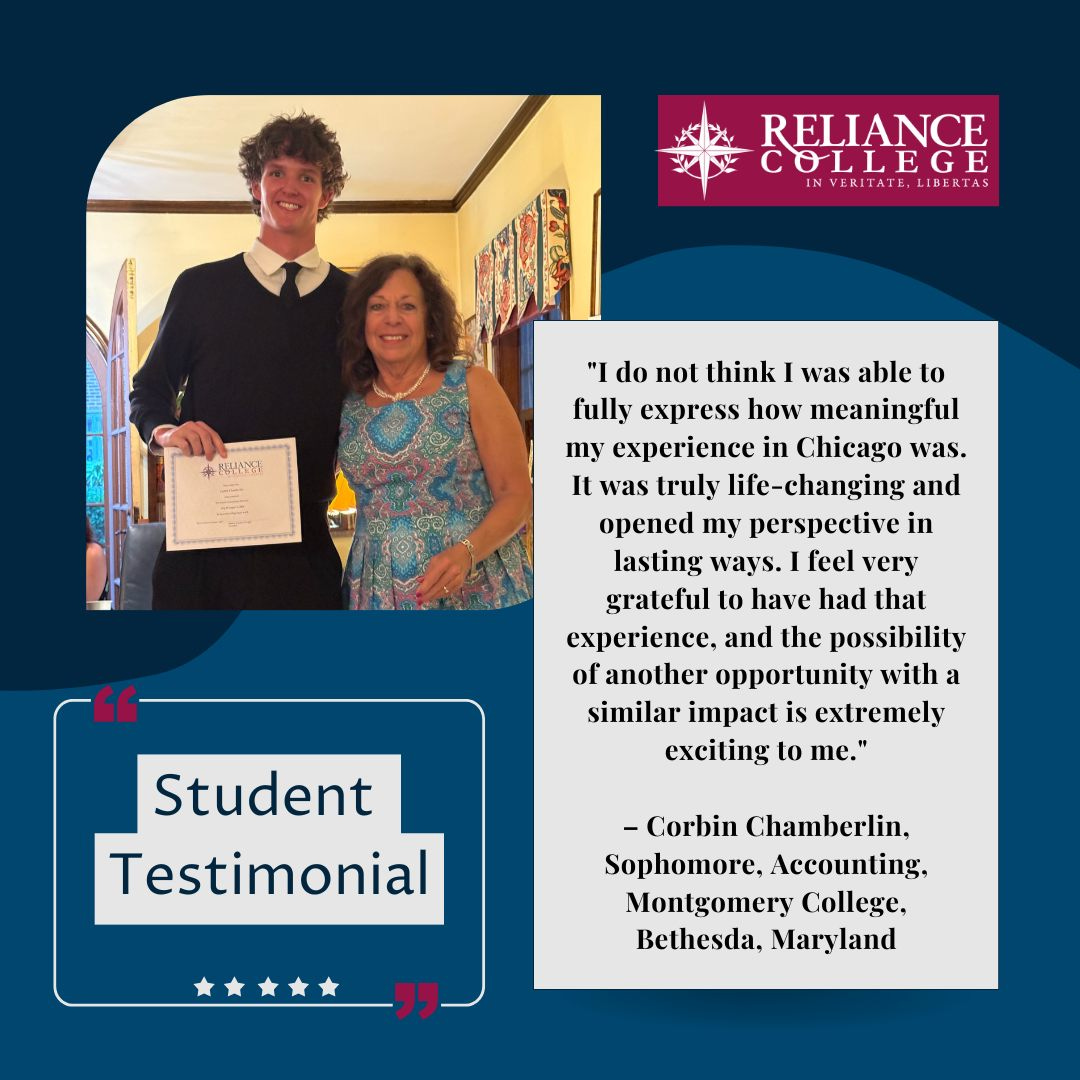
Corbin Chamberlin’s note arrived in a different context. We had reached out to him about an upcoming opportunity, our Spain study-travel program, and he responded with interest. But before he got to any of that, he said this:
“I do not think I was able to fully express how meaningful my experience in Chicago was. It was truly life-changing and opened my perspective in lasting ways. I feel very grateful to have had that experience, and the possibility of another opportunity with a similar impact is extremely exciting to me.”
What strikes us about this is the admission in the first sentence. He didn’t feel he had fully expressed it at the time. The seminar ended, he went home, he moved on with his life. Somewhere in the months that followed, the full weight of what had happened settled in. When we reached out about something else entirely, that’s what came out first.
What both of these say
José and Corbin experienced the seminar differently, wrote about it differently, and came to it from different places. What they share is that neither of them was asked to reflect. Both did anyway, a year on, because the experience had left something in them that was still active.
This is what we mean when we say The Great Connections Seminar develops something durable. Not a credential. Not a memory. A way of engaging with ideas and with the world that students carry into whatever comes next – and that, apparently, keeps revealing itself over time.
If there’s a student in your life heading into a summer, a gap year, a first job, or a new chapter of any kind – and you find yourself wondering whether one week could genuinely matter – these are the kinds of answers worth paying attention to.
Not because we’re telling you it will. Because they noticed it themselves, and wrote to tell us so.
The Great Connections Seminar runs July 25–August 1, 2026, at the University of Illinois at Chicago. Tuition is $900 and covers the full week of programming, eight nights of on-campus lodging, and opening and closing dinners. Scholarships are available on a limited basis for students who need support.