

Over the past few months, the current U.S. administration has cut funding to several universities, citing their alleged failure to combat antisemitism and discrimination on campus. American universities pride themselves on free speech, yet many remain financially dependent on the same government that can revoke their funding if it’s displeased with what they say.
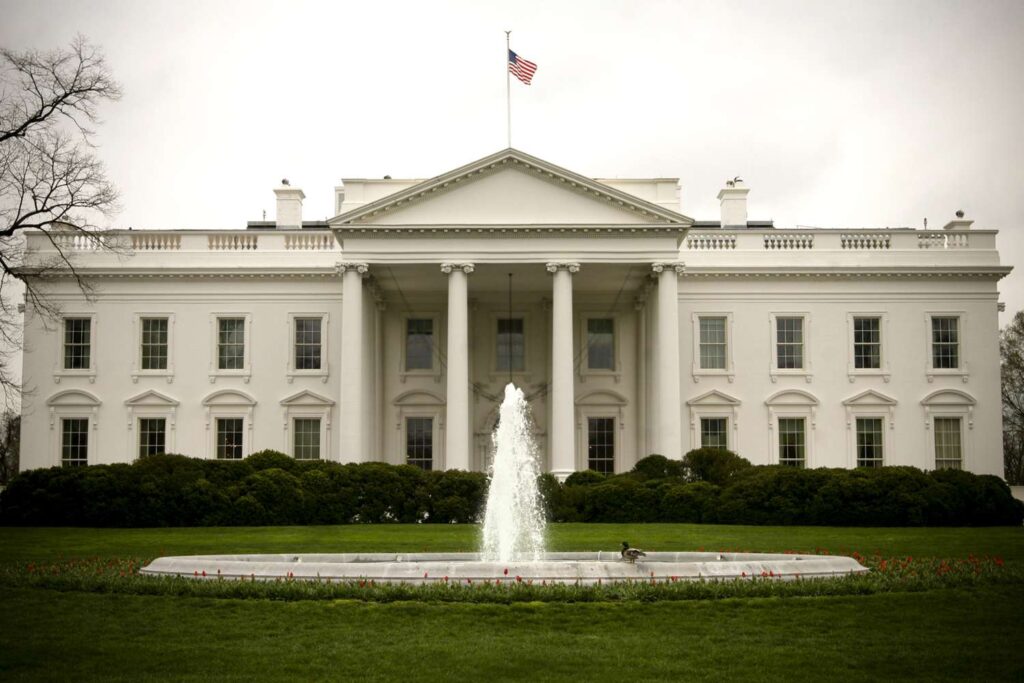
Whether one agrees or disagrees with the government’s ongoing measures, there is a clear conflict of interest: accepting public funds not only compromises freedom of speech, it exposes universities to political influence, undermining their institutional autonomy.
In light of this, and with many people labeling the government’s move an “attack on free speech and schools’ autonomy,” it’s worth analyzing what being autonomous really means. Can an institution claim autonomy when its entire development depends upon the very government from which it seeks independence?
The present article is not meant to be a political critique, but a reflection on what should be universities’ right approach to government funding, and how entirely (truly) private schools like Reliance College are the only ones that can fully embody independence and free speech.
A Brewing Storm: Government vs. Schools
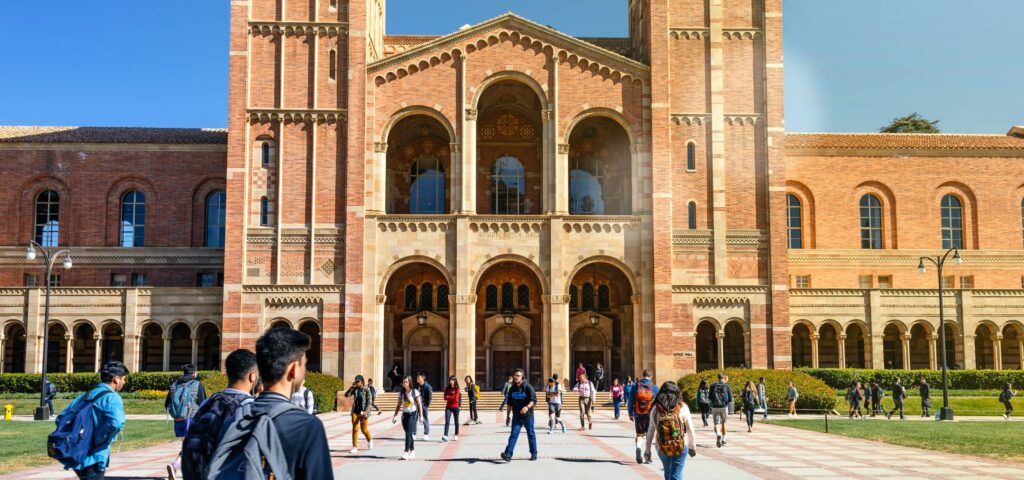
Following Executive Order 14188, the Trump administration revoked $400 million in federal grants from Columbia University in March 2025, citing the school’s inaction in arresting antisemitic speech and acts during the Israel-Hamas war. Similar reprisals were made to Harvard, with $2.2 billion frozen pending policy changes, and UCLA, with nearly $200 million in research funding suspended. Plenty of other schools, such as Brown, Cornell, Northwestern, Princeton, and 56 more universities received investigatory letters as well.
Beyond just cutting schools’ funds, the government has also revoked international visas for students who voiced support for Palestine and cracked down on DEI policies and programs.
In short, Executive Order 14188 was the government’s response to a series of attacks on Jewish students since 2019, which allegedly grew worse during the 2021 Gaza conflict. Some reports indicated that antisemitic acts throughout the country soared 80% as of May 2021. These attacks included shooting and wounding members of the Jewish community, setting homes on fire, and vandalizing Jewish property with neo-Nazi and white supremacist graffiti.
While these incidents against Jewish students have indeed been going on in the country, certain organizations like the ACLU argued that the government’s moves are violating freedom of speech, and Harvard claimed that Trump’s administration threatens the university’s autonomy. On top of this, some schools claim that the government is labeling legitimate political protest as “antisemitism” in order to impose an agenda.
Regardless of who is right or wrong, realistically, universities that accept government funding will unfortunately always be under its eye—with funding used as leverage.
This situation has only one clear solution: relying solely on private funding.
Government Funding Comes With Strings Attached
Government aid often brings government regulation and, further, implicit conditions and pressures. As the old saying goes, “who pays the piper calls the tune.” Despite universities’ claims of being autonomous, accepting public funds undermines their freedom.
This issue goes beyond personal opinions about any past, present, or future government. The core problem here isn’t the administration’s agenda—which changes with every new president—but understanding how funding can become a weapon and why it’s so important not to rely on it if free speech is truly what one seeks.
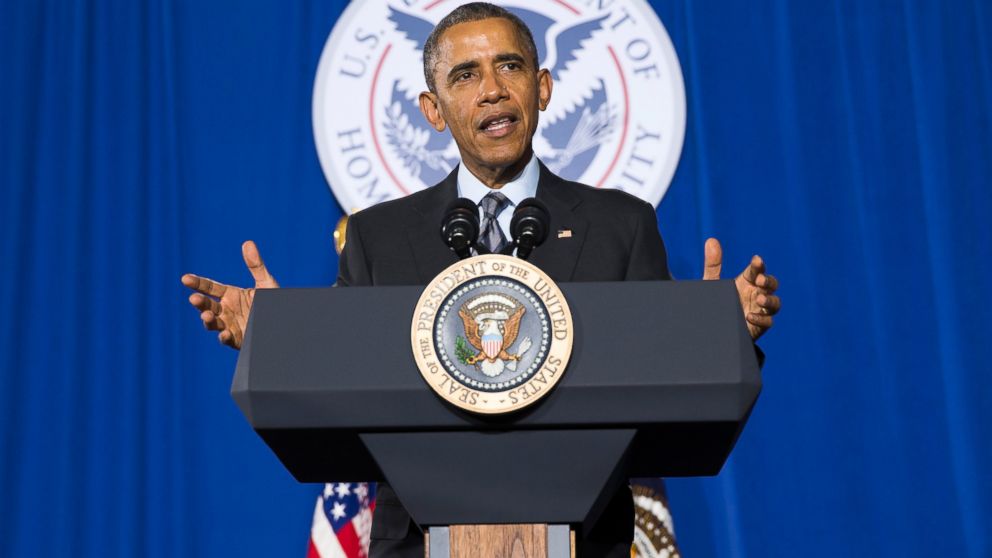
The government’s shifting preferences have always affected universities. For instance, the Obama administration redefined Title IX to prohibit transgender discrimination in schools. However, this was later reversed by Trump—again, illustrating how federal funding puts universities under the whims of politicians/bureaucrats. “When one gets in bed with the government, one must expect the diseases it spreads,” Ron Paul.
True autonomy cannot fully exist under the constant, looming threat of financial punishment from a political entity; and because of this raw reality, several universities have deliberately turned down government funding in the past. Grove City College is a standout example of this, with the school withdrawing from federal student aid programs and forgoing millions of dollars to avoid government regulation.
Back in the mid-1970s, Grove City College was the first to push back against the federal government, refusing to agree to Title IX rules. These rules required schools to set up specific procedures for handling sexual harassment and assault cases, like appointing Title IX coordinators and conducting formal investigations, among many other requirements. Such mandates can restrict a college’s ability to manage these matters according to its own policies or values.
The case went to the Supreme Court in 1984, and after the Court decided that even indirect aid meant federal oversight (because Grove’s students were getting federal grants), Hillsdale College took things a step further by becoming the first to turn down all federal funding, no matter the form, to stay independent. This decision was followed by Grove in the late 1980s, when it gradually stopped participating in federal student aid programs to preserve its independence.
“Our deeply held convictions come at a price,” College President Paul J. McNulty said, but added, “Declining federal funding has strengthened the college’s financial sustainability and affordability.” Otherwise, public funding would have subjected the school “to unwanted and unwarranted federal regulation.” The school’s move, while bold and risky, led to greater freedom over time, something that other universities cannot guarantee 100%.
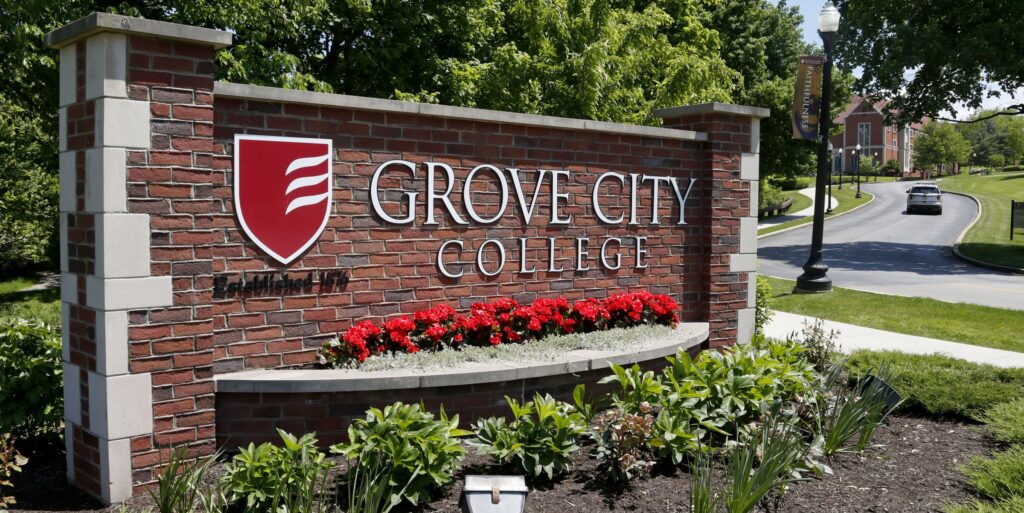
“Declining federal funding has strengthened the college’s financial sustainability and affordability.”
Groove City College President Paul J. McNulty
More schools like Christendom College and recently UATX have adopted this policy as well, also seeking to achieve the same goal: freedom. In line with these principles, Reliance College likewise holds a set of core values that could not survive under the regulatory hand of any government.

Reliance College’s Stand on Free Speech, Institutional Autonomy, and Government Funding
Reliance College’s vision radically opposes surrendering autonomy in exchange for public funding. As an institution dedicated to educating students for a free society, providing for an environment of free inquiry at our college and for our students is non-negotiable for us.
Reliance’s mission is to cultivate “more independent, thriving individuals in the world. We know that the right education can make that possible.” But in order to help students achieve their intellectual and personal best, we must guarantee an environment of free inquiry—which would never be possible under external pressure.
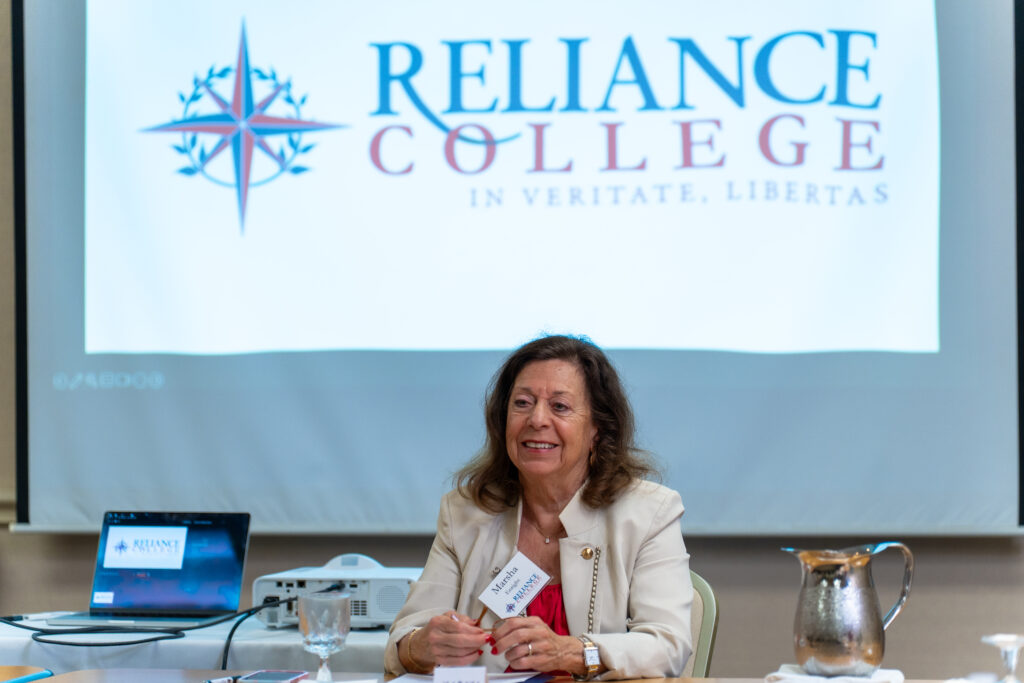
As such, Reliance’s funds are entirely private. No student will need government loans. No federal grants. No external strings. This grants the college true freedom of speech—not just in policy but in practice, avoiding any risks of having to conform to shifting government ideologies. Reliance can teach as our organization sees fit to develop self-reliant, intellectually and practically independent young people. You can read more about this on Realiance’s website.
Comparing the Cost: Money vs. Freedom
Universities like Grove City and Reliance give up easy federal money, but they gain the ability to stand firm on principle, even when it seems inconvenient. Is it better to rely on more money at the cost of autonomy—or to accept less funding and keep our values and voice fully intact? I think we’ve made Reliance’s response to this question clear.
Accepting public funding is to give “the Department of Education a regulatory blank check,” Grove City College’s President said. University autonomy and freedom of speech are incompatible with financial dependency on a political body. The ongoing situation with schools is just one example of the many consequences that come with accepting government funding. If we value true academic freedom, more universities should follow the model of financial independence.
It’s time for members of the academic world to reconsider the educational environment they want to support: one in which they are free to think and speak, or one in which they are compelled to follow the government’s dictates. True free speech isn’t just a policy on paper; it means having the genuine independence to speak one’s mind—right or wrong—without fearing government retaliation.