

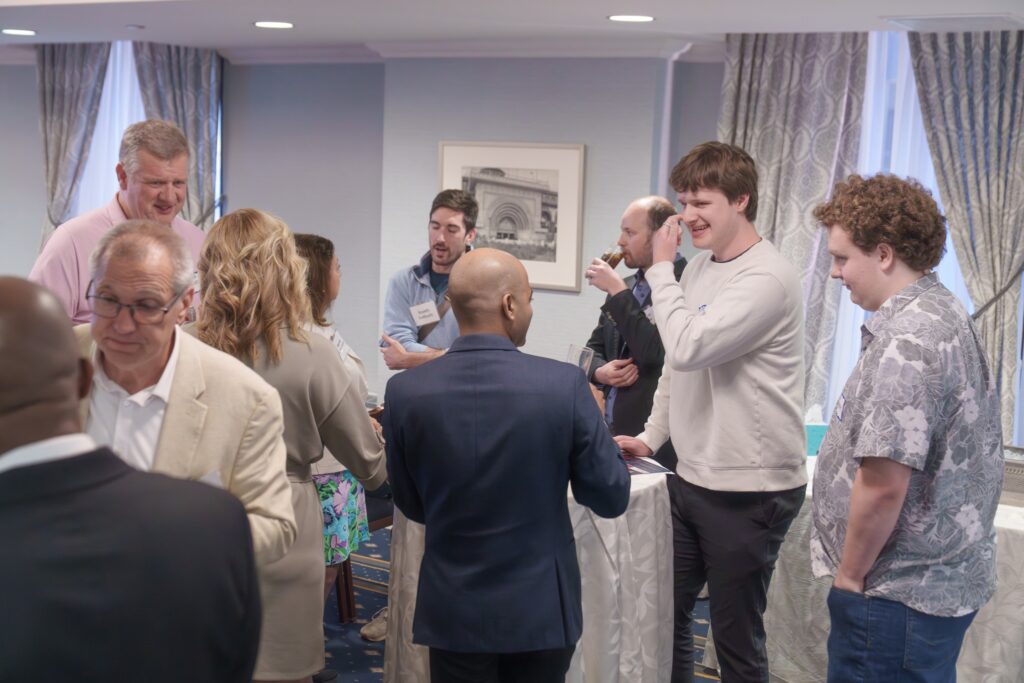
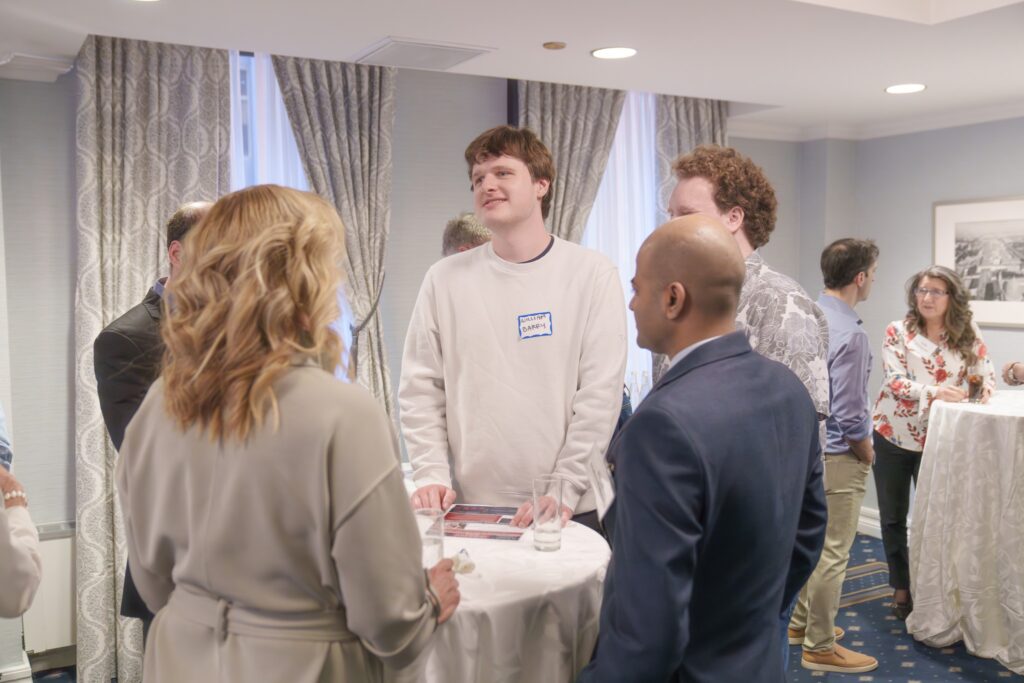
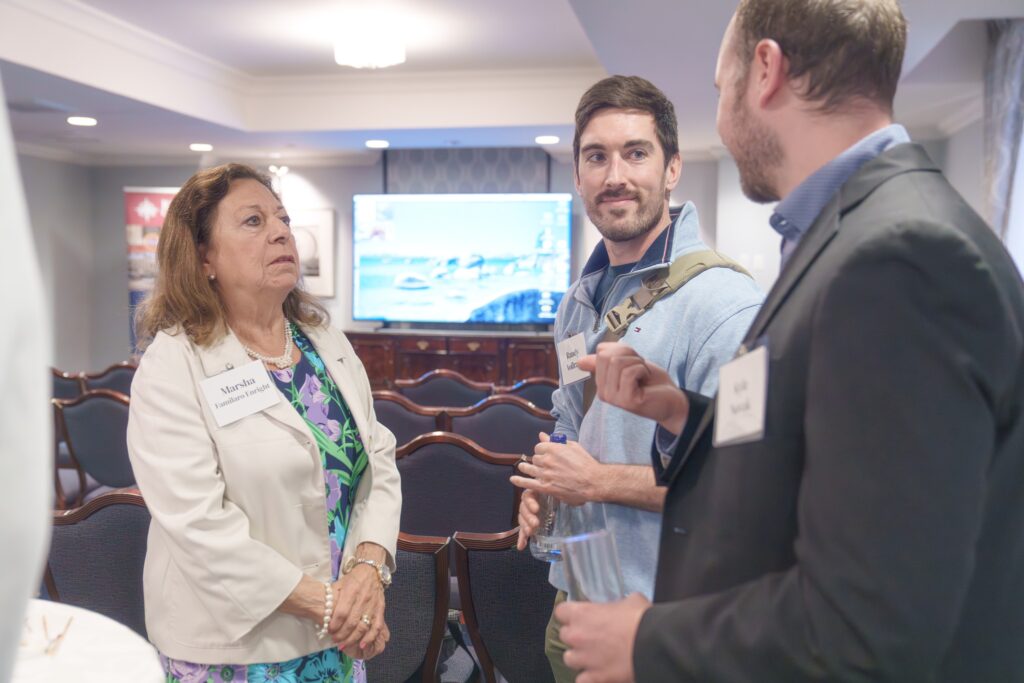
Last month, Reliance College hosted an intimate evening at the Union League Club in Chicago with Silicon Valley entrepreneur and former Yahoo CTO Raymie Stata — and the conversation did not disappoint.
Co-hosted with our partners at America’s Future Foundation, the event drew students, professionals, and educators eager to think more clearly about one of the defining questions of our time: How do you build a lasting career in the age of AI?
Here are the key insights from the evening.
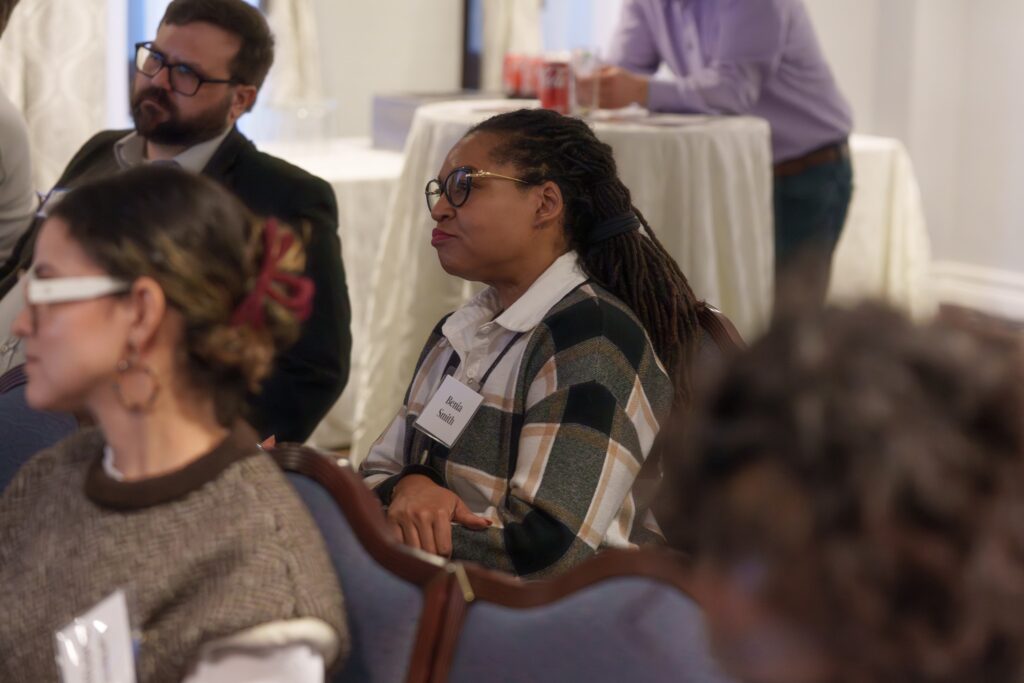
“Navigate” vs. “Build” — It’s More Than Semantics
One of the first things Stata pushed back on was the framing of the event’s own title. He prefers building a career to navigating one — and the distinction matters.
Navigating, he explained, is tactical: get from point A to point B. Building is strategic: every step is a deliberate investment in your knowledge, your skills, and — critically — your reputation, which compounds over time.
“I’m deliberately putting a brick in the building,” he said. “That’s a much better way to think about how to grow yourself.”
Career Paths Are No Longer Fixed — and AI Is Accelerating That Change
Stata traced how career paths that were once stable and well-defined have been in flux for decades — long before AI arrived. Journalism went from beat reporting to blogging to social media to Substack. Medicine went from the all-knowing family doctor to a highly specialized, quarterback-style GP.
AI isn’t the beginning of this disruption. It’s the accelerant.
“You can’t just get the job and follow the path anymore,” he said. “You have to adapt as a beginner.”
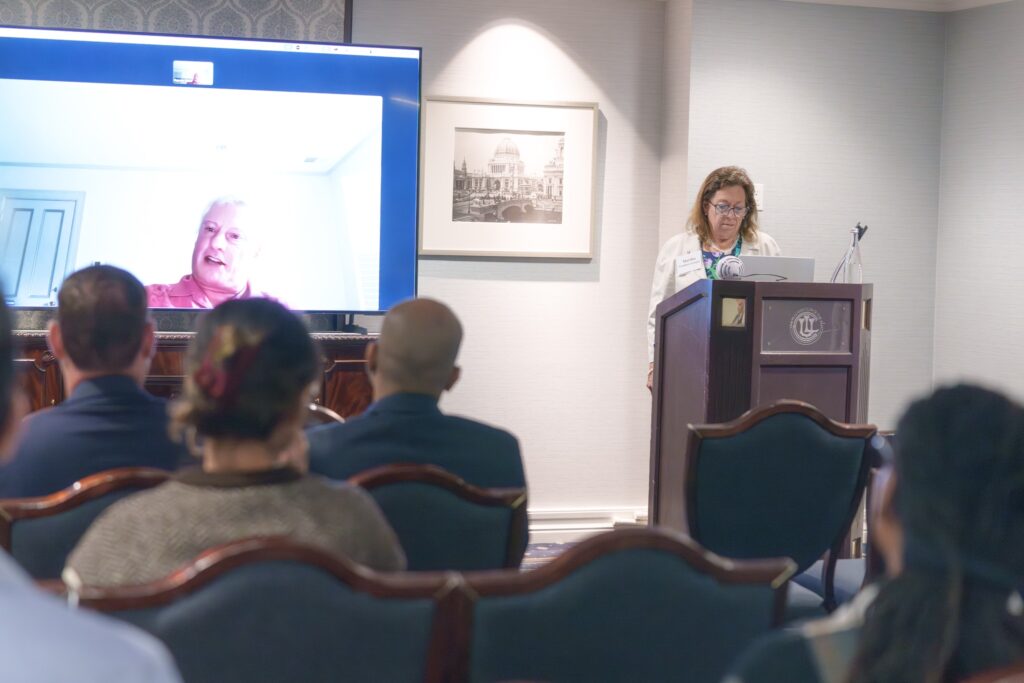
Three First Principles for Career Building
Rather than a rigid framework, Stata offered three principles he’s seen hold up across decades of technological change:
1. Good judgment in the face of uncertainty. AI can collect data and run analysis, but it struggles with the messy, high-stakes judgment calls that define real professional growth — knowing when the data is misleading, when to ship and when to hold back, when to optimize locally and when to think globally. That human capacity, he argued, will only become more valuable.
2. Take agency. Increasingly, no one is going to hand you a career path. You have to build one deliberately. This means seeking out depth, asking hard questions, and taking personal responsibility for growing your “non-dominant hand.”
3. Develop a T-shaped personality. A concept originally developed at McKinsey, the “T-shape” describes someone with both deep domain expertise (the stem of the T) and broad contextual thinking (the crossbar). The most valuable professionals — especially in leadership — can advocate for their domain and think about what’s good for the whole organization.
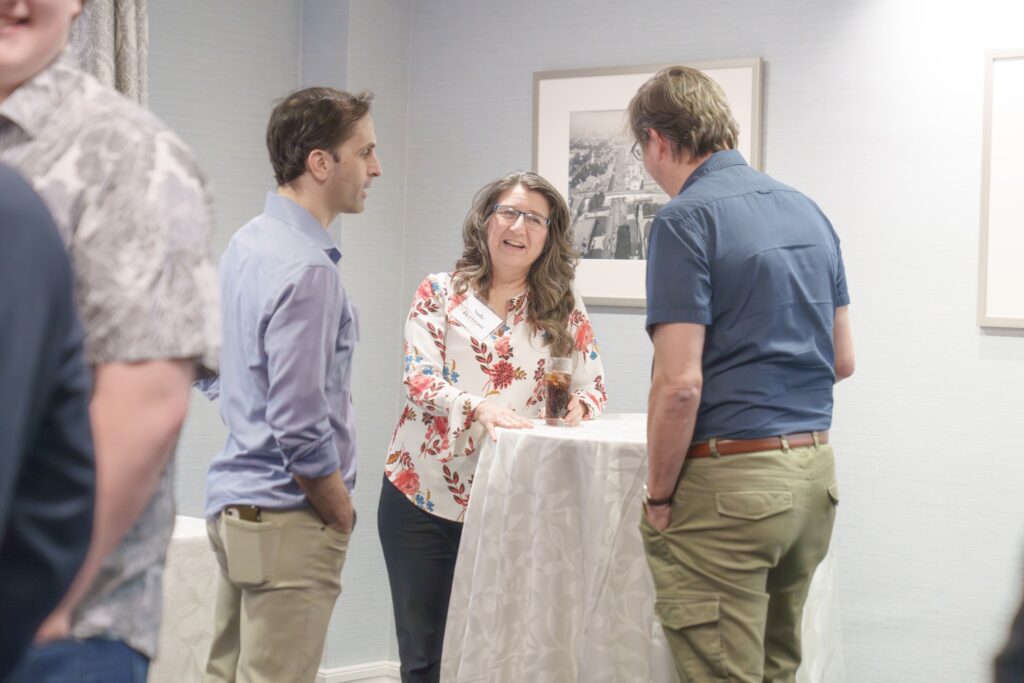
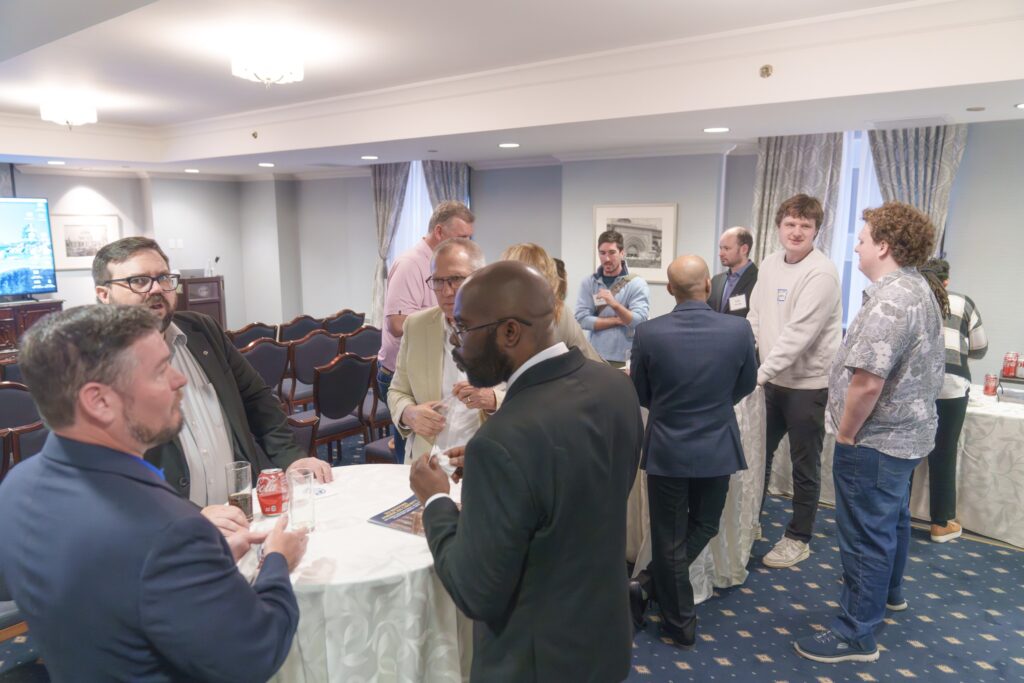
The Danger of Cranking Without Learning
One of the evening’s most pointed observations was about AI’s effect on junior professionals. Stata noted that young engineers can now generate large amounts of working code in weeks rather than months — but very few are using that speed to go deeper.
“The hazard is you can crank stuff out and not get the depth,” he said.
The same applies to marketing, law, and any field where AI is accelerating output. The 10,000 hours to mastery aren’t just about time — they’re about purposeful practice. The good news: AI itself can be a mentor, if you use it that way. Ask it “what’s a better way to do this?” not just “do this for me.”
What This Means for Education
This is precisely the challenge that Reliance College and our AI Proof U™ program are designed to address.
As Stata put it: “I don’t know how to make people want to learn the depth that I think is important to their careers. But if they want to, they can get there.”
We believe they do want to. And we built AI Proof U™ for them.
AI can generate answers, automate tasks, and optimize workflows — but it cannot replace human judgment, responsibility, or leadership. AI Proof U™ is a ten-week hybrid program that develops exactly the capacities Stata described: the ability to analyze complex problems from first principles, collaborate across roles and disagreements, and communicate decisions with clarity and persuasion.
The curriculum draws on foundational texts — from Aristotle to Man’s Search for Meaning to modern leadership research — and applies those ideas through real project work that integrates human judgment with AI tools. It’s rigorous, practical, and designed for people who want to be more than proficient with AI tools. Who want to be genuinely irreplaceable.
The next cohort begins October 2, 2026. The program runs ten weeks, with two in-person intensives in Chicago (October 2–4 and November 13–15) and six weekly online seminars in between. Cost is $2,500, with flexible monthly payments available. Graduates receive a Professional Certificate.
Applications are open now.
Join Us
Ready to build a career that AI can’t automate? Apply to AI Proof U™ today — the October 2026 cohort is now open.
Want to learn more first? Visit www.reliancecollege.org/ai or download our free brochure.
A special thank you to Raymie Stata for a generous and genuinely thought-provoking conversation, and to America’s Future Foundation for co-hosting this event.