

Starting in fall 2027, Reliance College will open a nine-month program in Chicago for high school graduates. It grows out of 17 years of the Great Connections Seminar.
Every spring, high school seniors are asked to make one of the biggest financial decisions of their lives. Many of them aren’t sure whether they want to go to college, start a business, or go into the trades. If they want to go to college, many don’t know what they want to study, or whether a four-year degree is worth tens of thousands of dollars. They’ve watched older friends graduate with debt and no clear direction. And AI is reshaping the job market they’ll walk into.
More and more of them take a gap year to travel, work or volunteer. Some come back with a plan. Some stall out.
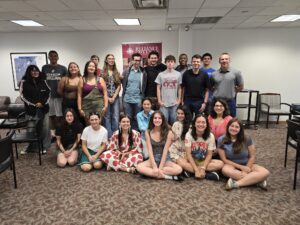
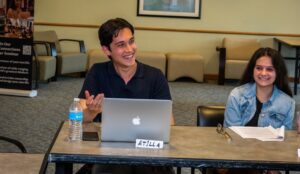
For 17 summers, Reliance College has run the Great Connections Seminar in Chicago: one week of Great Books and collaborative Socratic discussion. Our students have ranged in age from 16 to 30. They’ve come from Twin Falls High School in Idaho, from Columbia University, and from Stanford’s graduate physics program. Year after year, they tell us that one week changed how they think and grew their self-confidence enormously. Thirteen percent have come back more than once. Two now sit on our Board of Trustees.
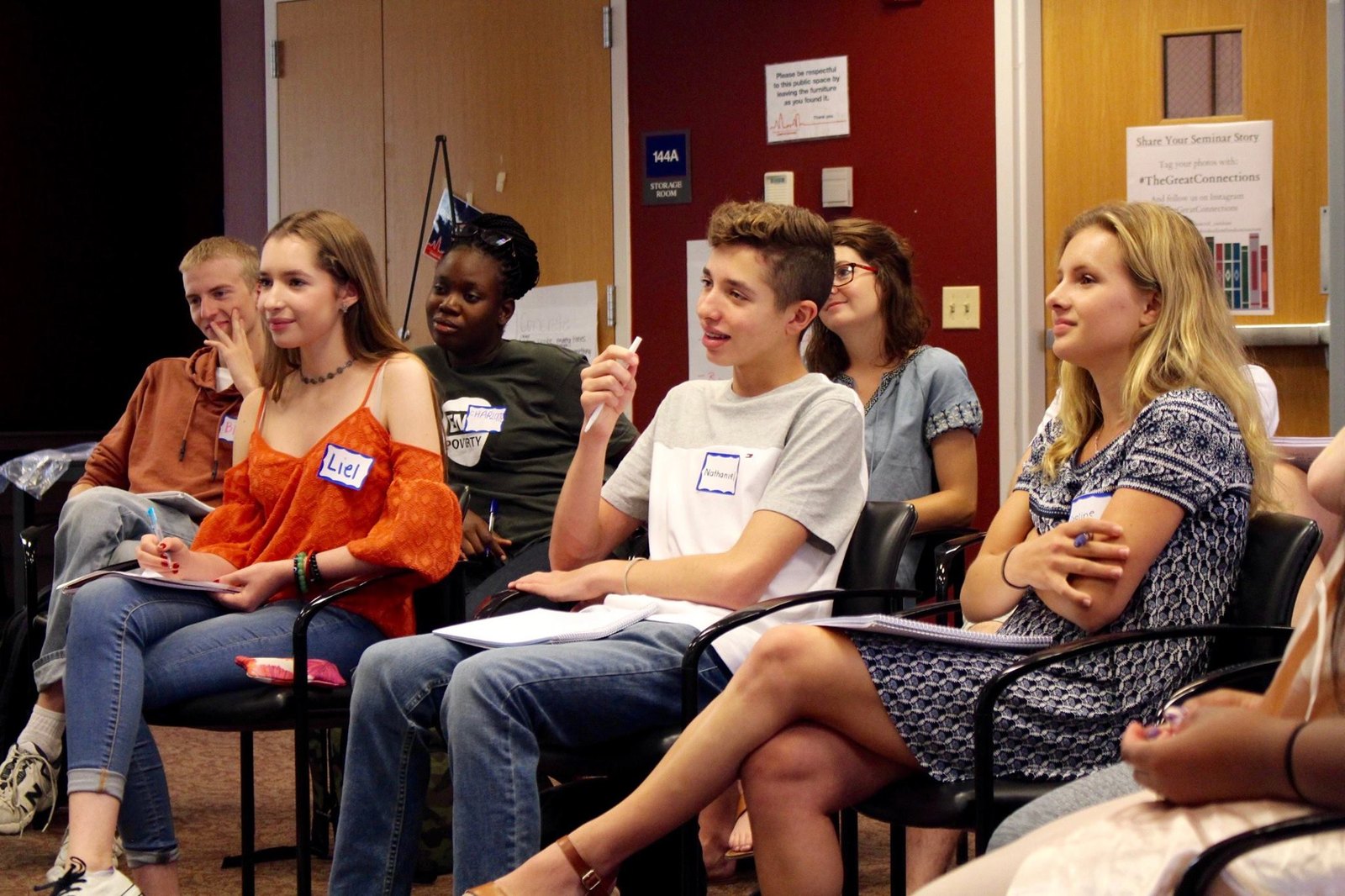
And many of them ask the same question: what if it lasted longer?
The Reliance Leap Year™ is our answer.
What the year looks like
The Leap Year™ runs from September to June in three 10-week terms, which we call Elements. Each one builds on the one before.
Element I, September to December. Students read classics and important modern works. They also get direct instruction in introspection, teamwork, writing, research and personal finance. The term is organized around questions most schools never ask a student to answer: What am I interested in? What are my skills? What are my major values and aims? What do I want out of life?
Element II, January to March. Each student, alone or in a team of two or three, takes on a research project in a field they’re considering: business, the arts, science, academic research or another career. They choose a real problem that needs solving, research it, keep a journal, and work out a creative solution. Tutors and mentors from that field guide the work, and the project includes travel where it’s feasible. At the end, students present their solution to mentors, faculty, parents and each other, and carry it out if they can. The project goes into a portfolio they can show colleges, employers or future business partners.
Element III, April to June. Students come back from their projects to make sense of what they learned. They study economics and markets, modern technology and its history, and the role of art in a well-lived life. Then they plan their next step, whether that’s college, a training program or work.
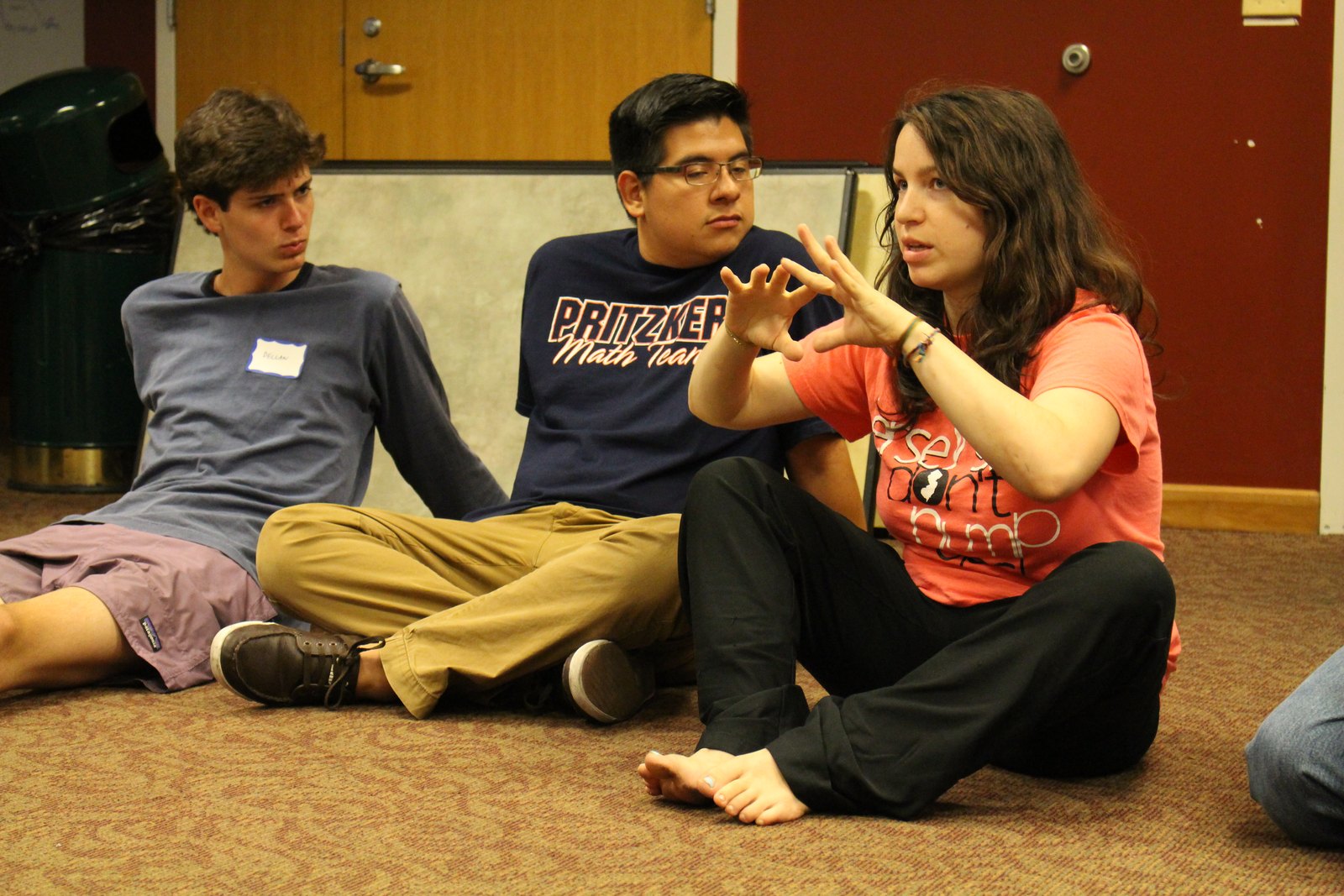
During the first and last Elements, students spend 20 hours a week in seminars and tutorials. Every class uses Guided Collaborative Discussion, the method we’ve refined through the Great Connections Seminars. Students read closely, reason from evidence and work out ideas together, with the text as the only authority in the room.
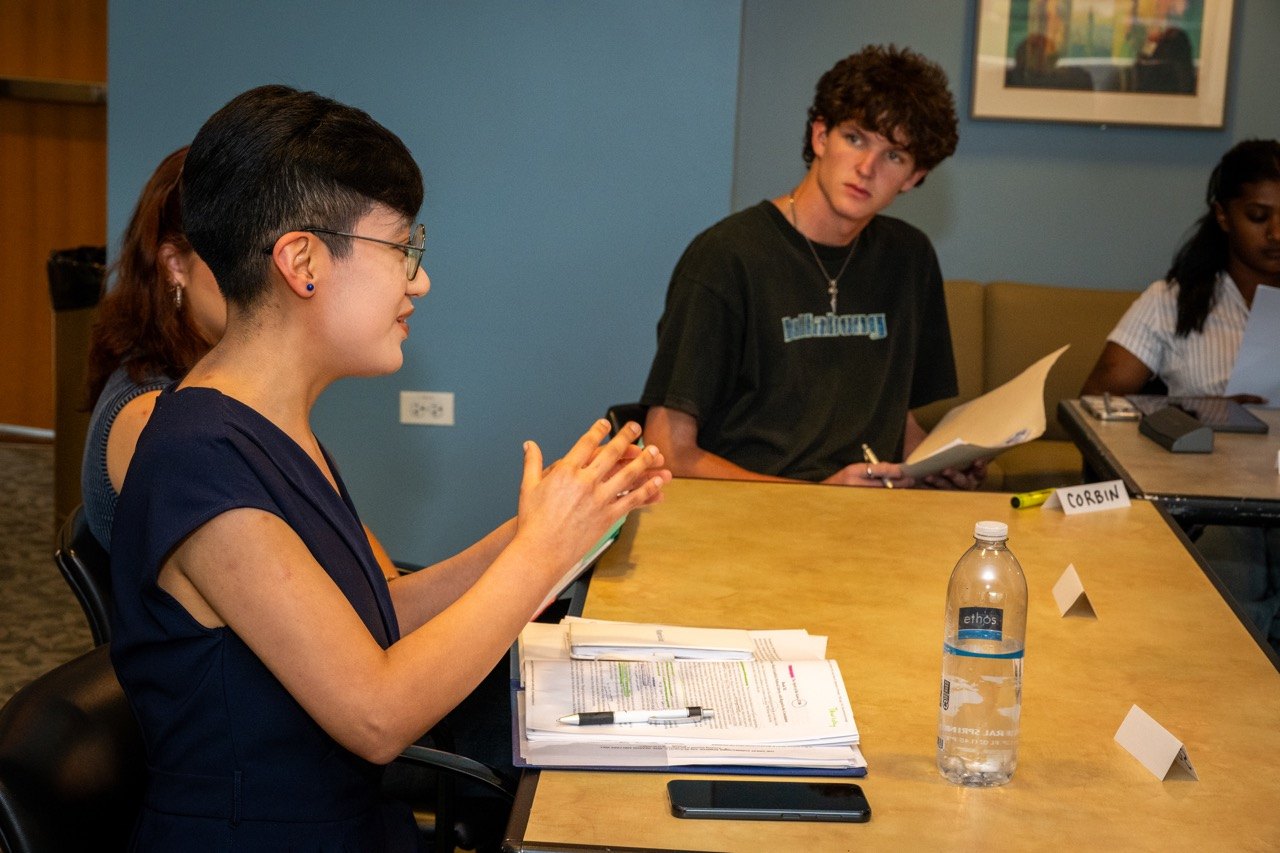
Writing gets special attention. Students learn from Aristotle’s Rhetoric and from Socratic Scribbling, the method of former J. Walter Thompson strategist Malachy Walsh. They practice writing to get something done: to explain, prove, persuade, move a reader or tell a story. Students who want to can apply it to their college entrance essays. Each student writes one paper per term on a theme.
A year with people who know you
Every student has a tutor, a faculty member trained in our method. Students meet with their tutor to talk through ideas and problems, to study long works together, and to get introductions to accomplished people in the fields that interest them.
A Student Life Coach helps each student with personal growth. Students also work in small study cohorts, so they get to know each other well and keep building the collaborative skills they use in class. Every other Friday, the whole group has dinner with the faculty. Each table gets a discussion topic tied to what they’re studying, and the evening ends with a game or an activity such as improv.
At the end of the year, students who complete the program receive a Certificate of Achievement, a portfolio of their writing, research and creative work, and recommendations from their mentors.
Who teaches
Marsha Familaro Enright, M.A., Psychology, New School for Social Research, Program Creator and Director, Faculty Trainer and Lead Instructor, founded the Great Connections Seminars in 2009. In 1990 she founded Council Oak Montessori School on Chicago’s South Side, which Chicago Magazine named a top private elementary program in 2006, 2011 and 2025. She wrote Teaching Freedom: Education for a Free Society. The Leap Year™ applies her work with Montessori principles to young adults.
Carmen Rodriguez Alárcon, M.B.A., Acton, Dean, Curriculum Design Collaborator and Co-Instructor, studied in the Great Books and collaborative seminar program at Michael Polanyi College (Universidad Francisco Marroquín) and has co-instructed at five Reliance programs.
Sule Bertram, M.A., M.S., Medical Bio-Technology, University of Illinois Chicago, Co-Instructor, started as a research scientist, then became a Montessori guide and taught a high school honors science program for decades, and has co-instructed at five Reliance programs.
Jason Walker, Ph.D., Philosophy, University of Wisconsin-Madison, Co-Instructor, has taught extensively at the college level and has co-instructed at three Reliance programs.
Daniel J. Isadore, M.Div., Pittsburgh Theological Seminary, Student Life Coach, has worked with young people for decades, including as a chaplain in the Episcopal Diocese of Pittsburgh. He founded The Miller Effect, which serves youth across the country.
Reliance trustee Stephen R. C. Hicks, Ph.D., Philosophy, Indiana University Bloomington, Rockford University Professor of Philosophy, ret., will lead a program of guest speakers throughout the year.
Where students live
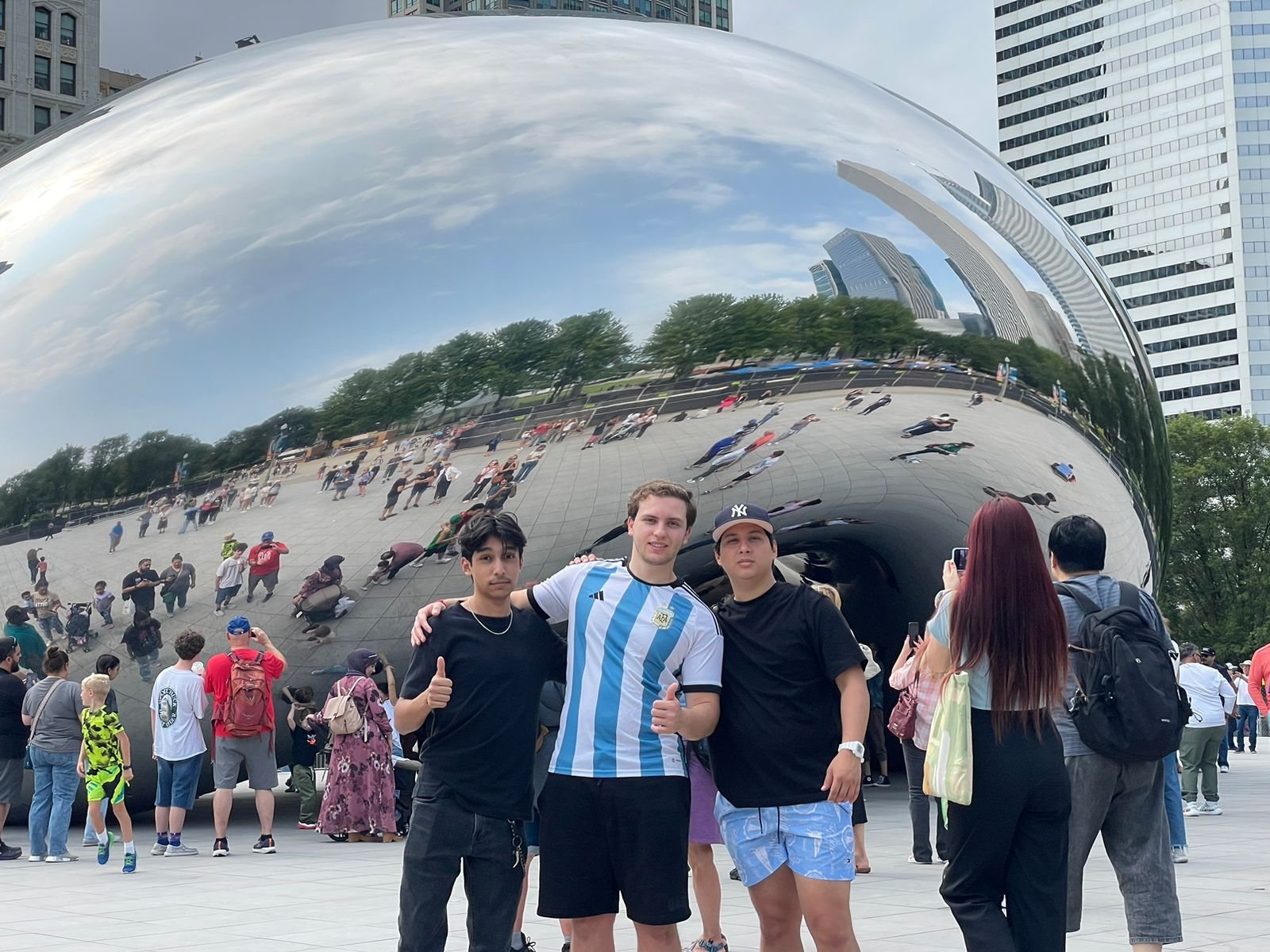
Reliance helps students find housing but does not provide it. Two private dormitories in Chicago, University Center and The Buckingham, and many long-term Airbnb rentals are options.
Who should apply
The Leap Year™ is for high school graduates who want a demanding year that prepares them to choose a field, succeed in college and start a career. What matters most is that a student wants to come and is committed to the program.
To apply, students send:
- a high school transcript
- two letters of recommendation
- an expressive project (an essay, story, video or performance) explaining what they hope to gain from the year
Applicants also complete an interview. We recommend they come to the Great Connections Summer Seminar, July 24 to 31, 2027, in Chicago. The expressive project carries heavy weight in admission.
Tuition for the first year is $22,000, and merit scholarships and work-study are available. The first class will have 15 students.
Request information about applying
Why we’re doing this
Brendan Moore first came to the Great Connections Seminar in 2009, as a high school junior. He later earned his bachelor’s degree and entered the graduate program in comparative literature at Emory University. Here’s how he described that first week:
“The seminar gave me confidence that I could achieve great things. It was like something was lit inside. I acquired the intellectual tools to help me come to my own conclusions. And I realized how lacking my formal education was. It was one of the most rewarding experiences of my life.”
That happened in one week. The Leap Year™ gives a student nine months.
Watch the Leap Year™ film and join the interest list
Questions? Email Marsha Familaro Enright at marsha@reliancecollege.org.