
The Reliance Leap Year™, Starting Fall 2027
A structured gap year in Chicago for high school graduates. Nine months of Great Books seminars, a real project in a field you're curious about, and a portfolio to show for it.
More Information
Tell us a little about yourself and we'll send the program details and answer your questions. Parents and students are both welcome to write.
Prefer to talk? Email marsha@reliancecollege.org or call 773-677-6418.
The Problem
That's from a survey by Indeed. Young people watch older friends take on debt for degrees they never use, and AI is changing which jobs will exist by the time they graduate. Many take a gap year to figure it out. Some come back with a plan. Some just stall.
The Leap Year™ gives that year a structure: nine months to work out what you want, then test it on a real problem before anyone pays for a degree.
Request InformationThe Numbers
College still matters. But going straight from high school into a major and a loan is a big bet to make without a plan, and these numbers show why more families are stopping to think first.
51% of Gen Z say their degree was a waste of time and money, more than any older generation.
In 2015, 57% of Americans had a great deal or quite a lot of confidence in higher education. Today it's 38%.
Source: Gallup
From 1975 to 2011, full-time administrators and professional staff at U.S. colleges grew 369%. Tenure-track faculty grew 23%.
Source: American Association of University Professors, Academe, 2014
Employment for 22- to 25-year-olds in the jobs most exposed to AI fell 13% compared with their peers.
Source: Stanford Digital Economy Lab, "Canaries in the Coal Mine," 2025
The Year
The year runs on the quarter system, like a college freshman year. Two quarters of seminars sit on either side of a winter spent on a real project.
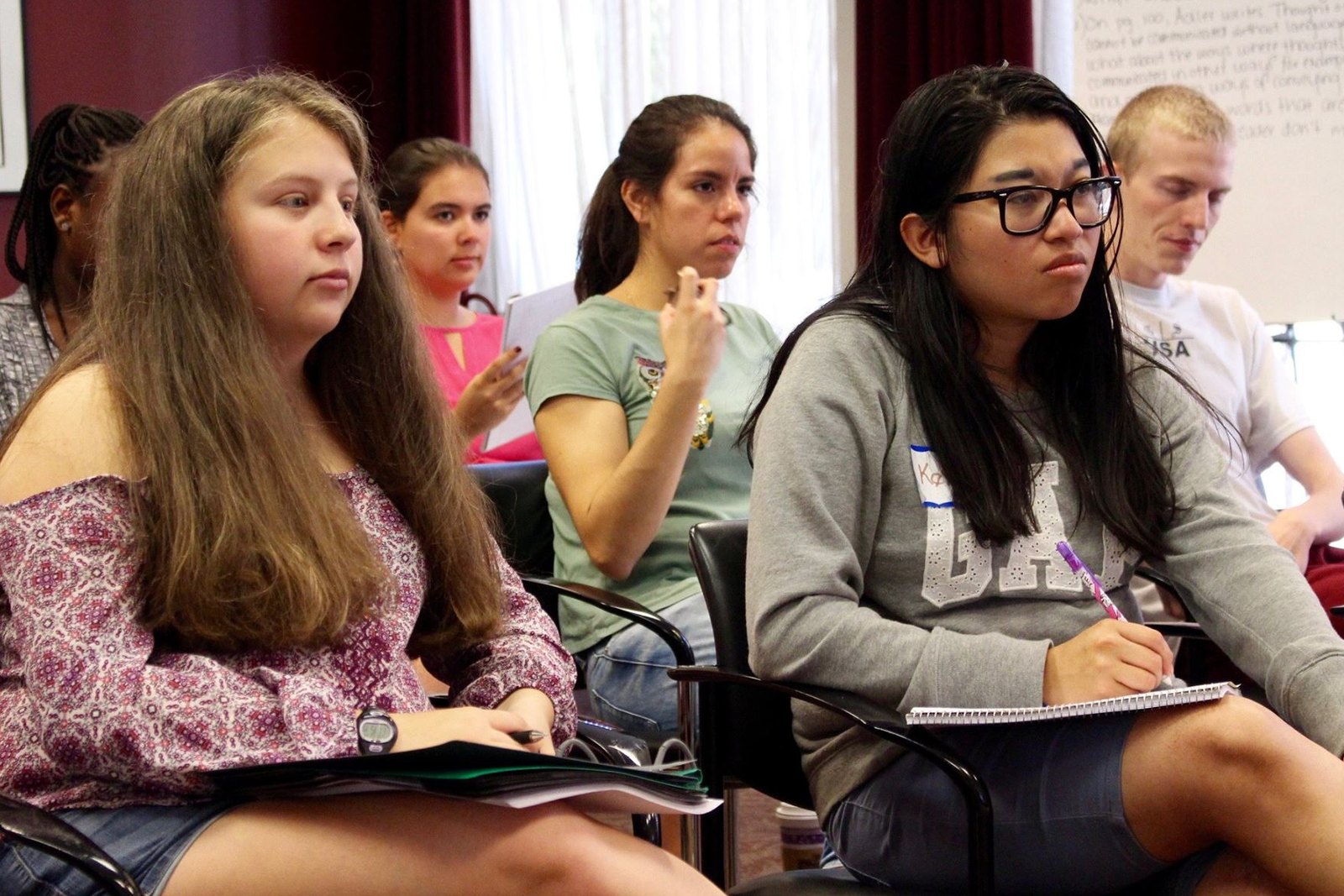
Seminars on classic and modern works, plus instruction in introspection, teamwork, writing, research and personal finance. The quarter is built around five questions:
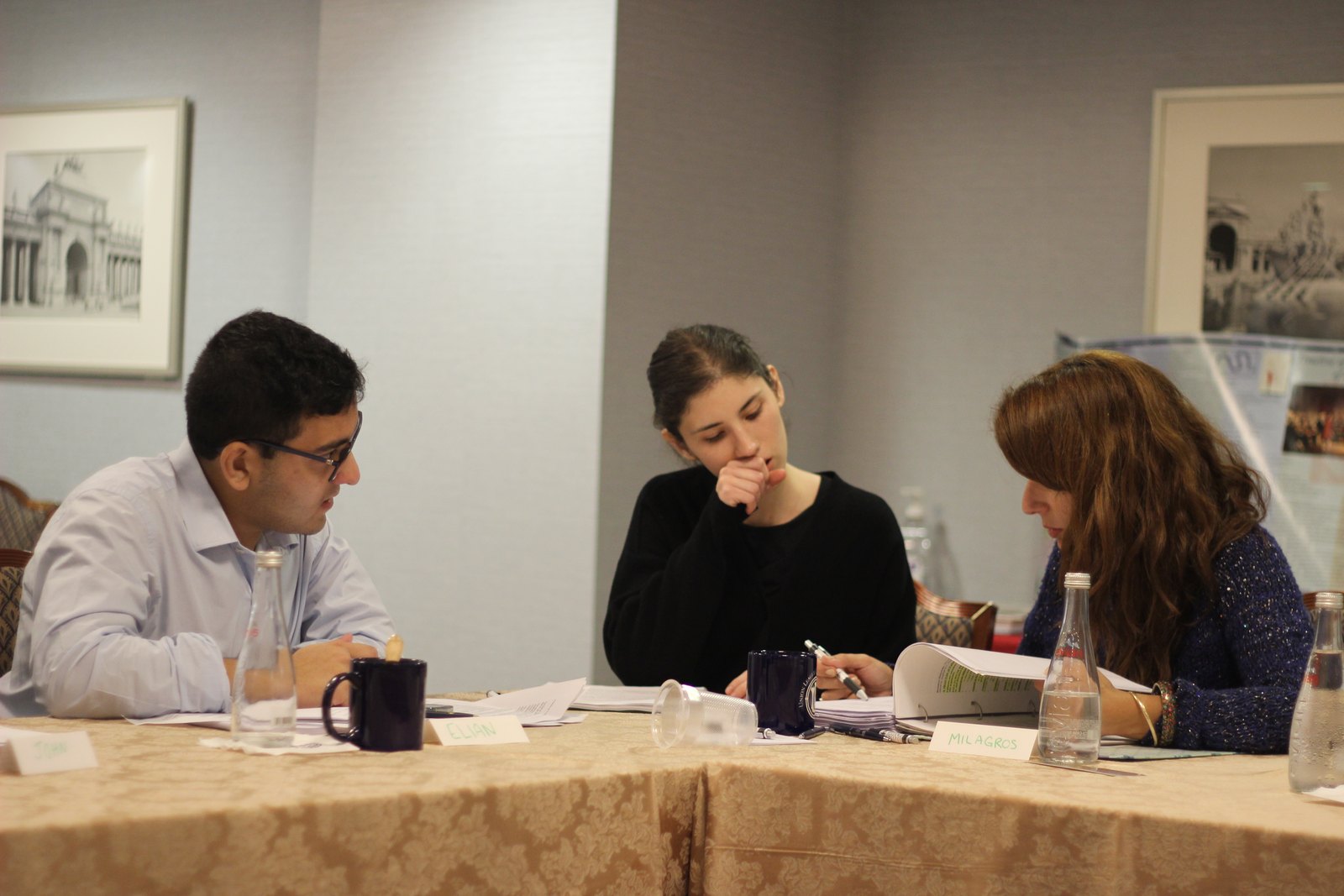
Each student, alone or in a team of two or three, picks a real problem in a field they might work in: business, the arts, science, research or something else. They work on it with a tutor and a mentor from that field, and travel for it where that makes sense.
They also read one novel from a short list (Pride and Prejudice, Les Misérables, 1984 and The Fountainhead are on it) and write about the view of life it puts forward.
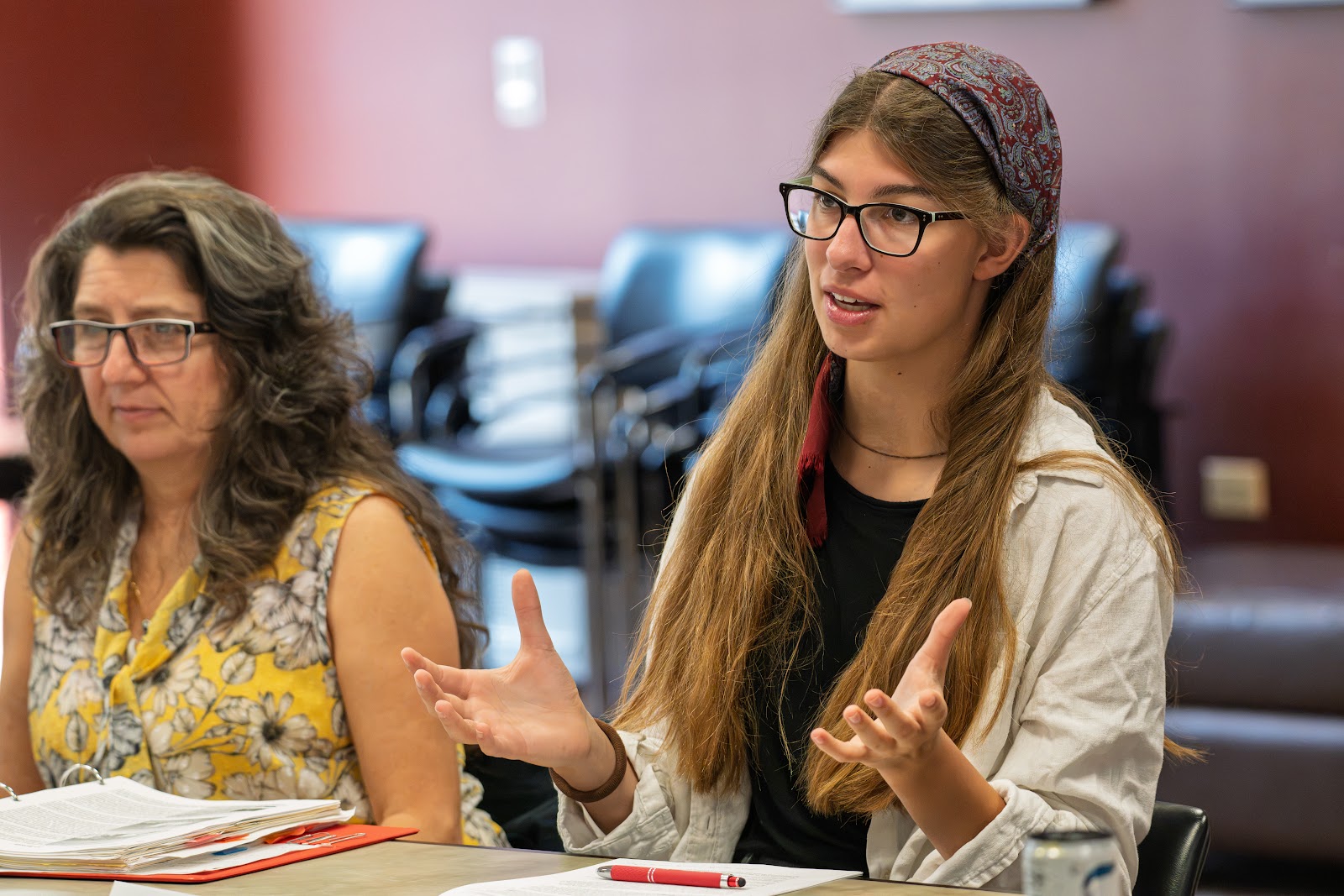
Back in the seminar room to make sense of the project. Then economics and markets, the history of science and technology, and the place of art in a good life, with trips to museums, plays, concerts and Chicago's architecture.
The quarter ends with a plan for what comes next, whether that's college, a training program or work.
How the Teaching Works
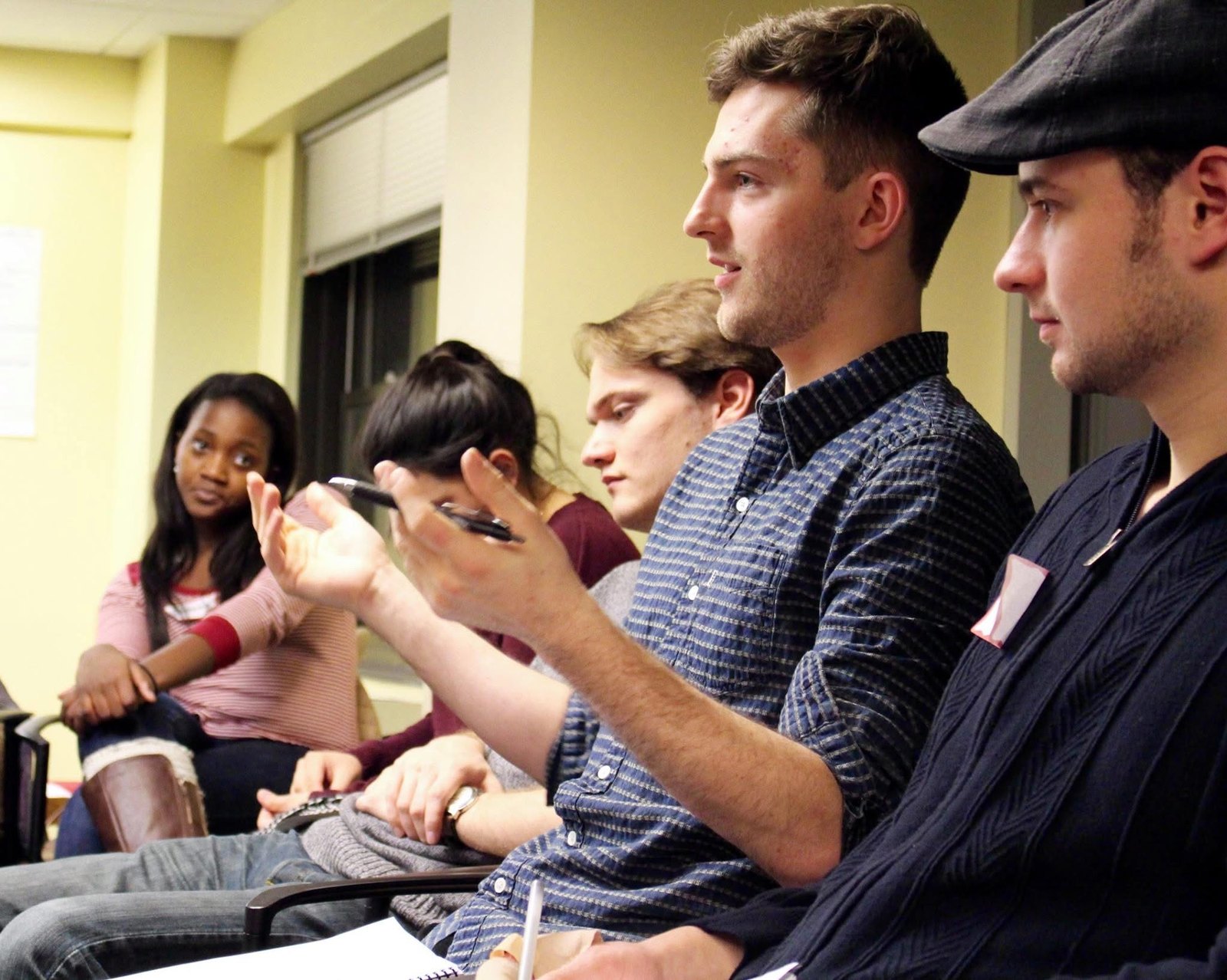
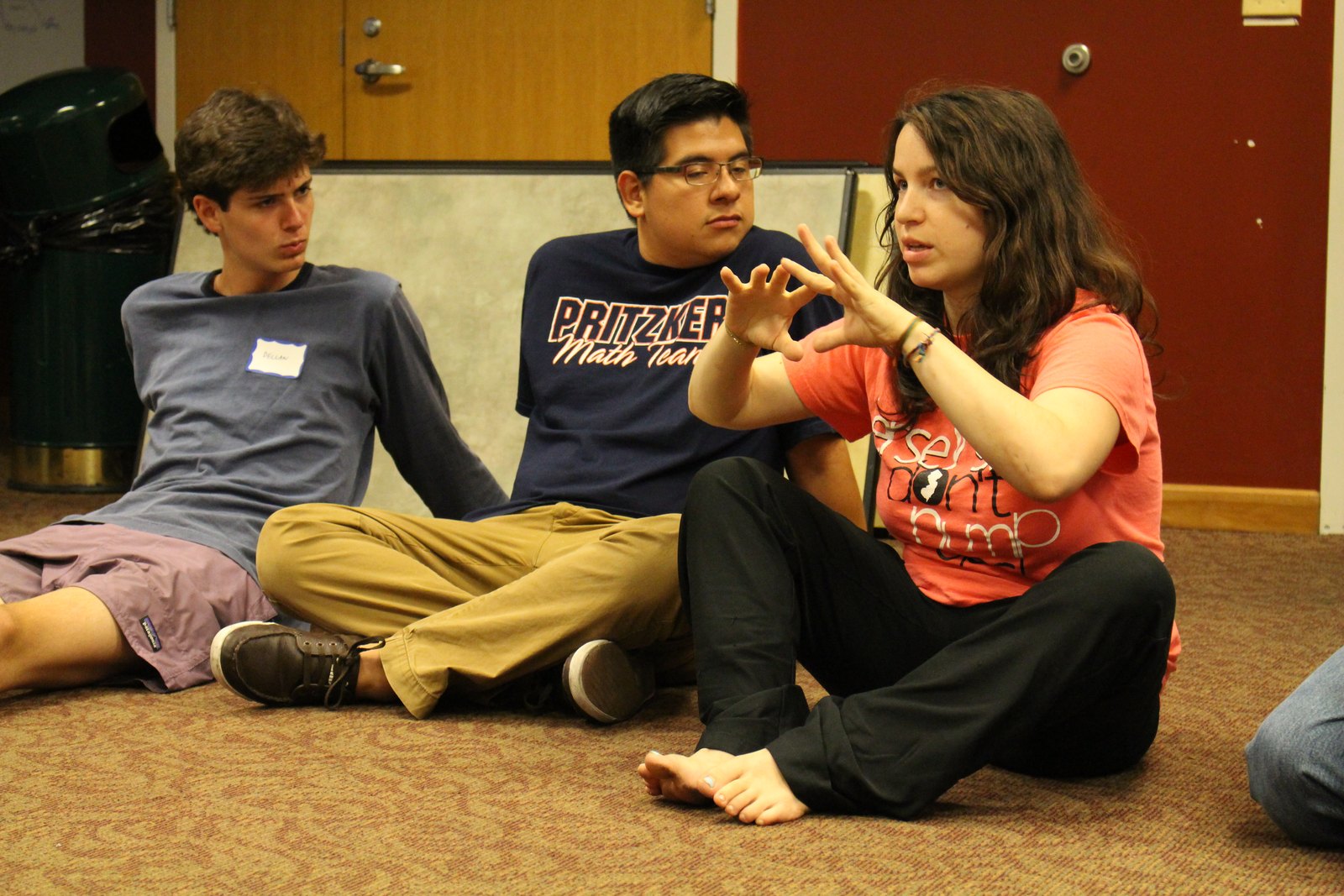
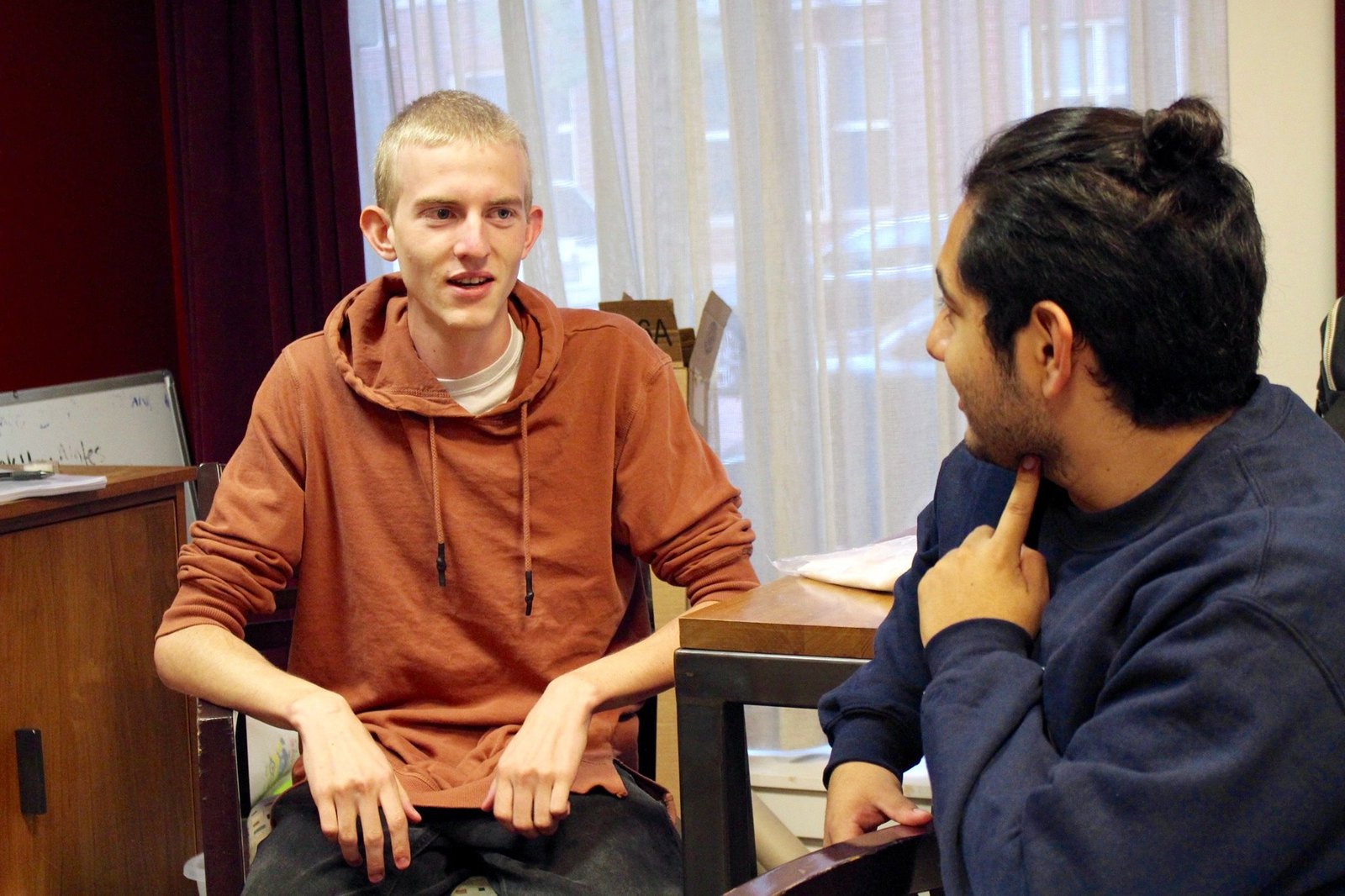
Every class uses Guided Collaborative Discussion, the method Reliance has used in the Great Connections seminars since 2009. Students read the text, then reason through it out loud together, with an instructor steering the conversation.
Great Connections students tell us it changes how they argue and how easily they speak up.
About 20 hours of seminars and tutorials, with time left for reading and the project.
Nobody works through the year alone.
Students write every week, and finish the year with work they can show.
Fifteen students, one city, nine months.
What Students Get
Degrees are common. Tools are everywhere. What's rare is the ability to reason through a hard problem, explain a decision and stand behind it. The Leap Year™ builds that, and gives students a record of it.
Leap Year™ seminars use a form of Socratic discussion that has been measured. Michael Strong, a member of Reliance's advisory board, tested students before and after a full year of it at four schools, using the Watson-Glaser Critical Thinking Appraisal, a test correlated with SAT and ACT scores.
Their scores rose by 30% to 84%.
Improvement on the Watson-Glaser appraisal. Source: Michael Strong, The Habit of Thought.
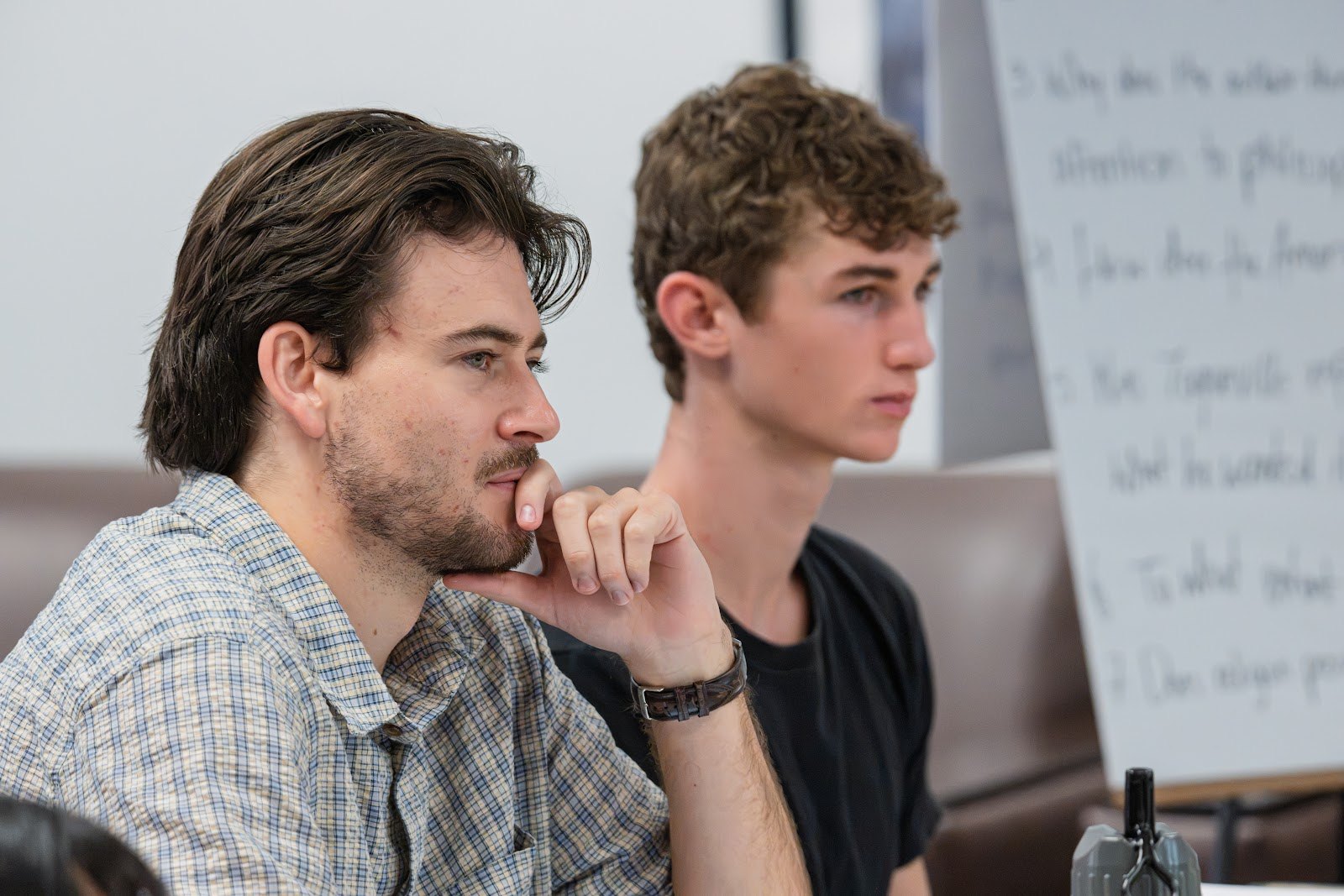
Students are assessed on their written work and presentations, and on their part in class and with their tutor. They also learn to assess themselves, with regular self-evaluations against their own goals.
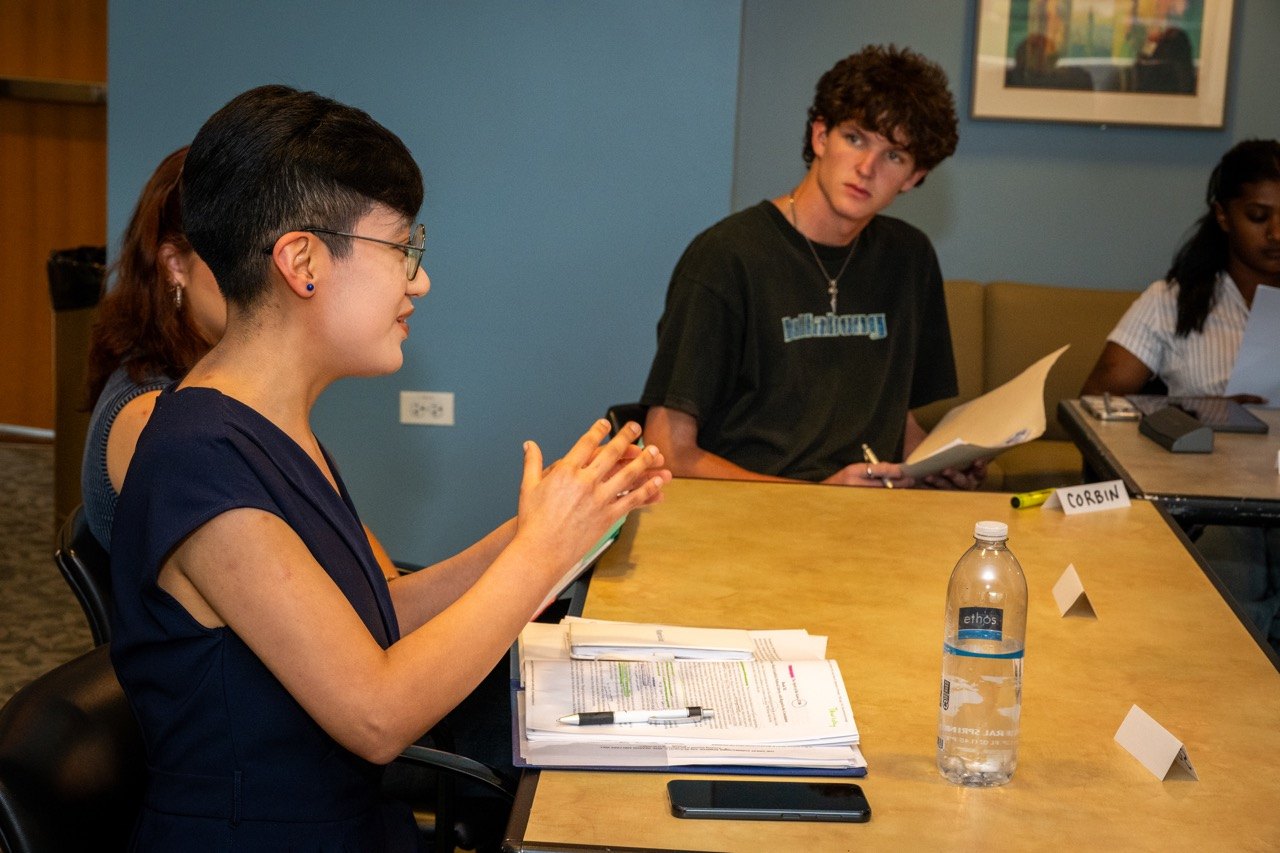
Students work in study cohorts, eat dinner with the faculty every other Friday, and spend nine months with people who like arguing about ideas as much as they do.
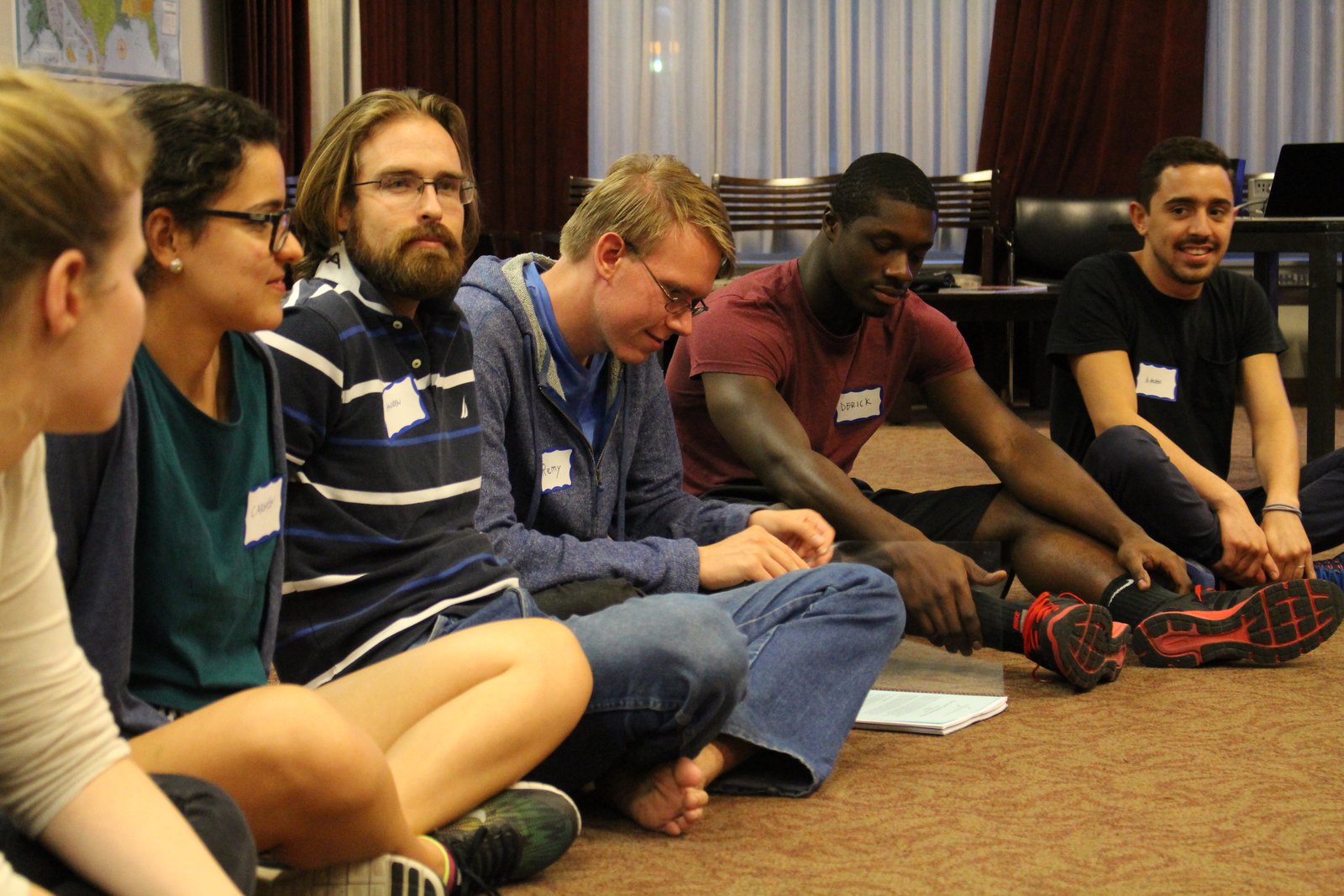
Great Connections students say the friendships are what they didn't expect. Many came back year after year.
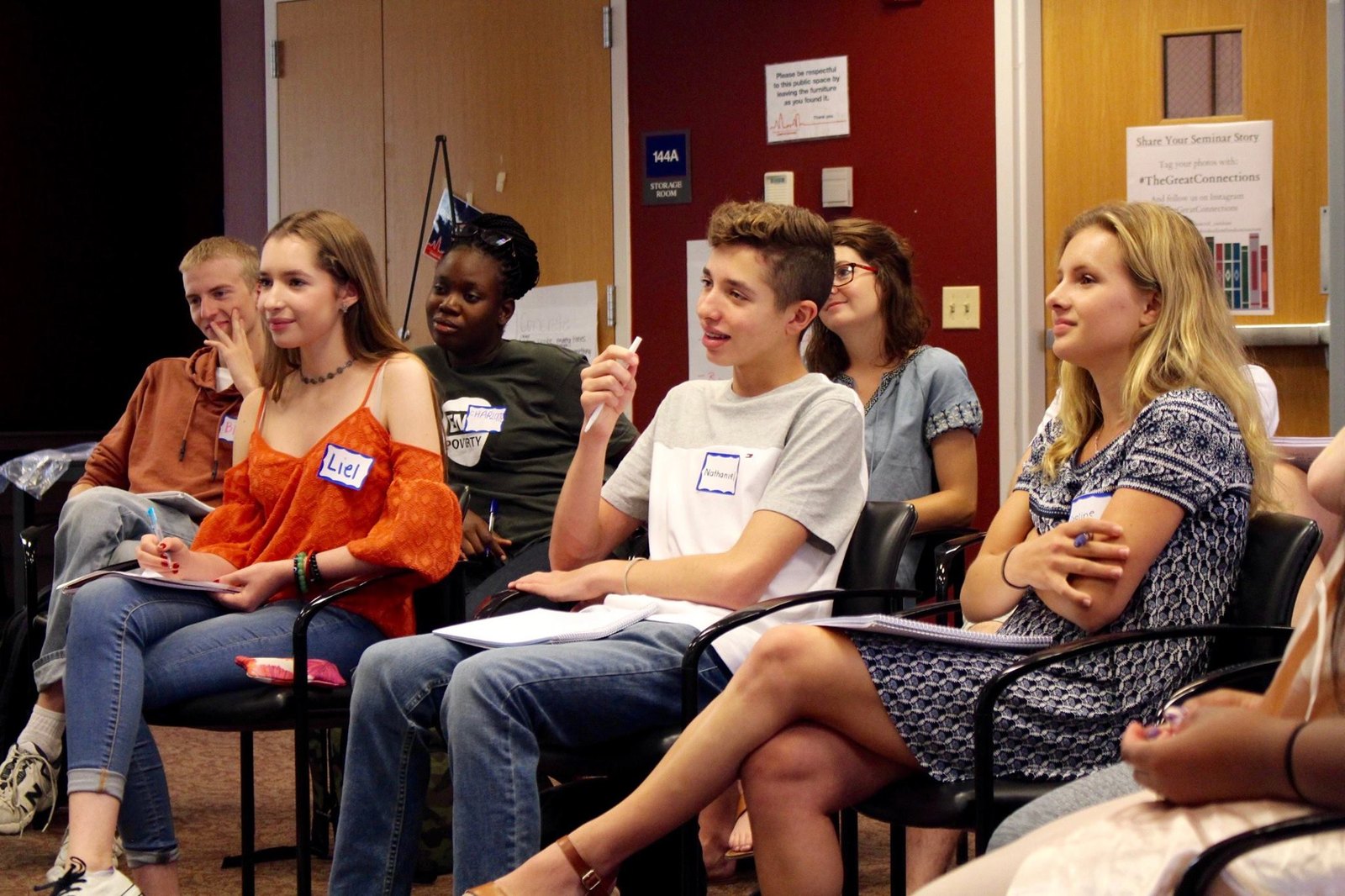
Great Connections Seminar, 2017.
What Great Thinkers Say
Long before anyone worried about AI, the people who built things knew what an education was for: training the mind to think, and to say clearly what it thinks.
"The value of an education in a liberal arts college is not the learning of many facts but the training of the mind to think."

"It is in Apple's DNA that technology alone is not enough. It's technology married with liberal arts, married with the humanities, that yields us the results that make our heart sing."

"Learning how to think critically, learning the art of learning, curiosity, thinking about judgment... This is what I think will never go out of style. Judgment is not going out of style."

"The one easy way to become worth 50 percent more than you are now, at least, is to hone your communication skills, both written and verbal."

What Students Say
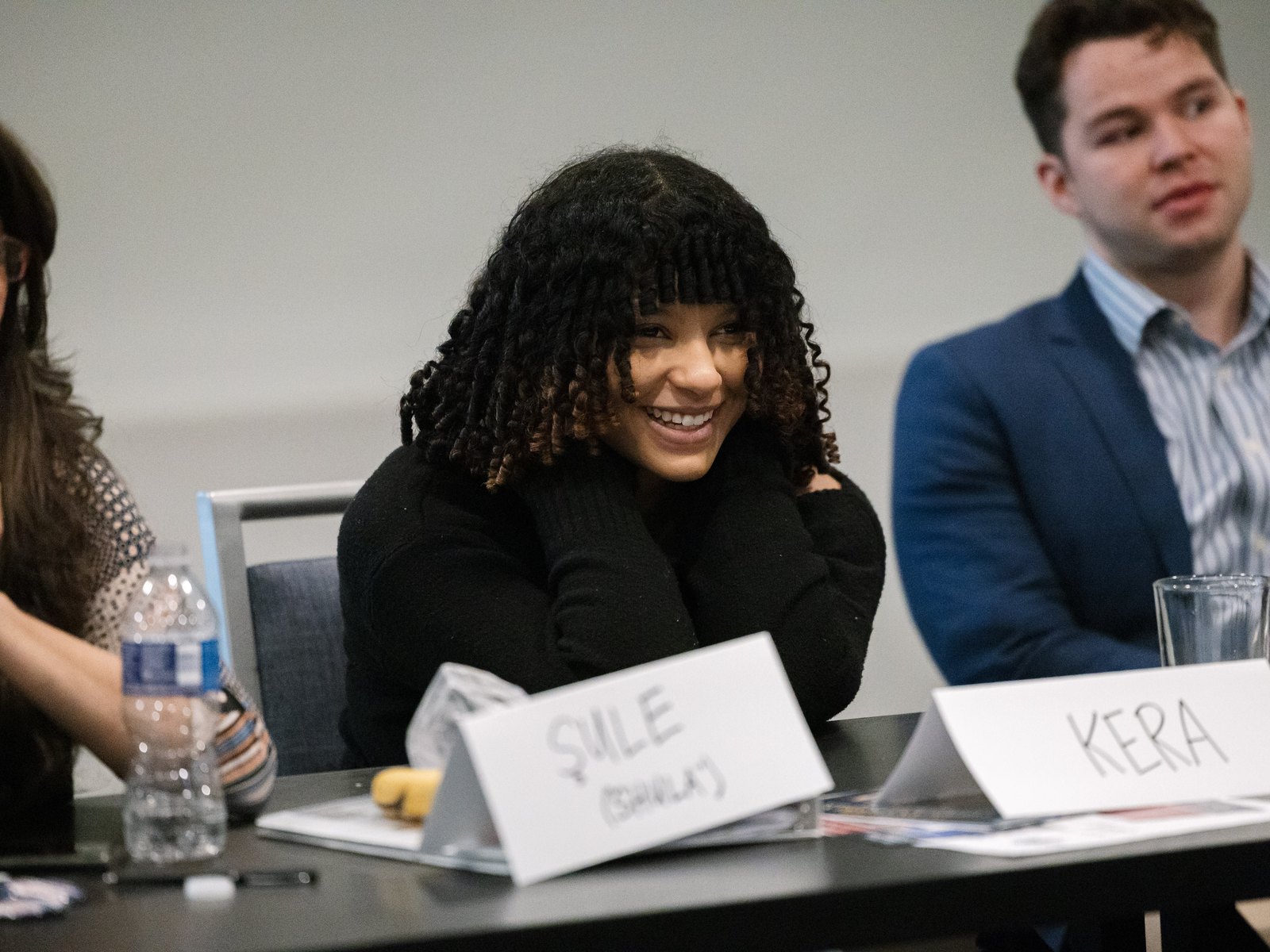
These students came to the one-week Great Connections Seminar, where the Leap Year™'s teaching method started.
The seminar gave me confidence that I could achieve great things. It was like something was lit inside. I acquired the intellectual tools to help me come to my own conclusions.
Before the seminar, I was so shy and uncomfortable with conversation, I would email my mom rather than talk to her. Afterwards, I talked my mom's ear off and got myself a paid job tutoring older adult students.
The most enriching intellectual and personal experience I've had. I'm not the same person I was a week ago.
Worth a semester of college in a week, if not more. Your intense participation is a massive brain exercise. I loved it.
Who Teaches
Every member of the Leap Year™ faculty has taught or coached at the Great Connections Seminar, so they already know the method and the students it's built for.

Program Director
Founded Reliance in 2005 and has run the Great Connections Seminar since 2009. She also founded Council Oak Montessori School on Chicago's South Side in 1990, and wrote Teaching Freedom: Education for a Free Society.
B.A. Biology, Northwestern University. M.A. Psychology, The New School for Social Research.
Co-Instructor
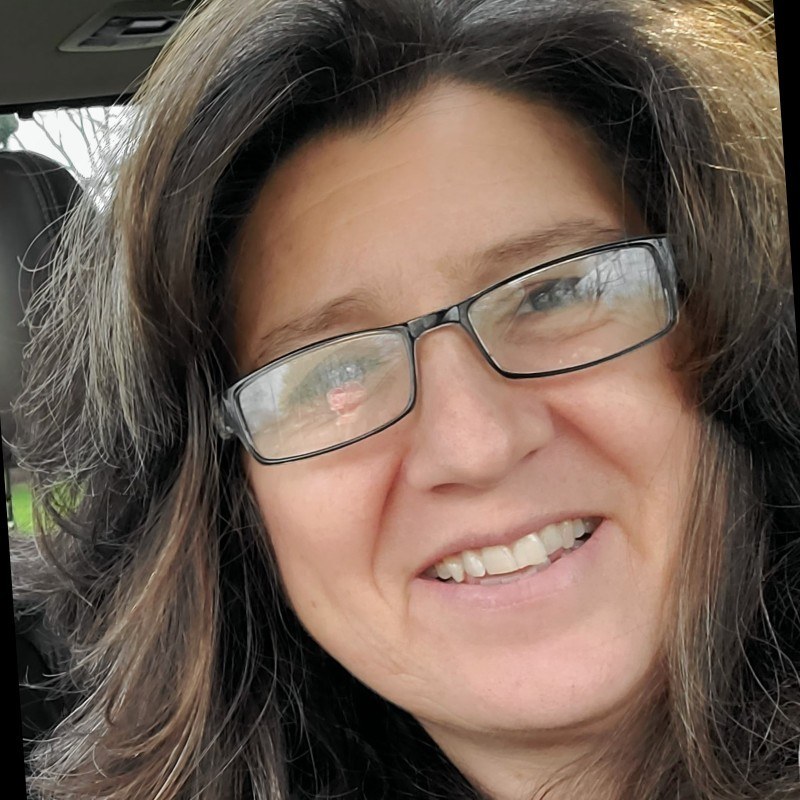
A research scientist who became a Montessori guide, then taught high school honors science for decades. She has co-led Great Connections summer and weekend programs.
B.S. University of Toronto. M.S. University of Illinois Chicago, Aurora University and Northern Illinois University.
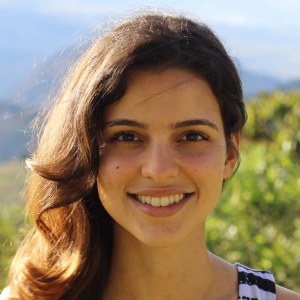
Dean and Curriculum Designer
Studied in the Great Books seminar program at Michael Polanyi College, attended four Great Connections Seminars, and has co-instructed at Reliance programs. Director of Teacher Education at Universidad Francisco Marroquín.
B.A. Liberal Arts, Michael Polanyi College, UFM. M.B.A., Acton MBA.

Co-Instructor
Has co-led the Great Connections Summer Seminar and taught extensively at the college level.
Ph.D. Philosophy, University of Wisconsin-Madison. M.A. Tufts University. B.A. University of Texas at Austin.
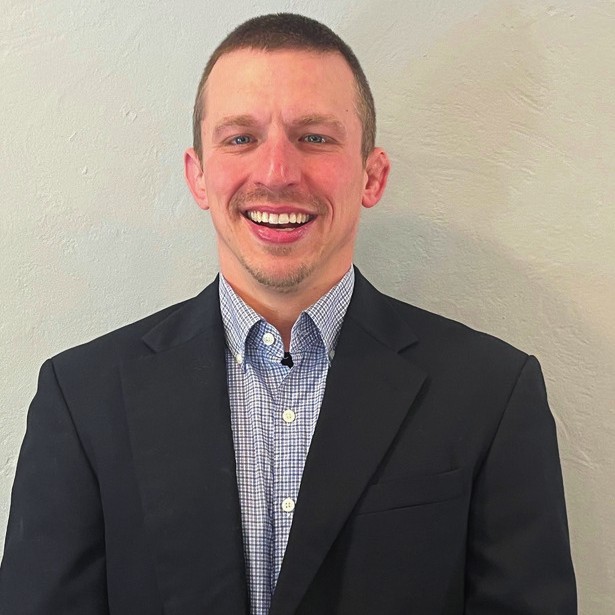
Student Life Coach
Student Life coach at the Great Connections Seminar. He spent decades as a chaplain in the Episcopal Diocese of Pittsburgh and founded The Miller Effect, a youth project that runs nationwide.
B.A. Liberal Arts, Grove City College. M.Div., Pittsburgh Theological Seminary.
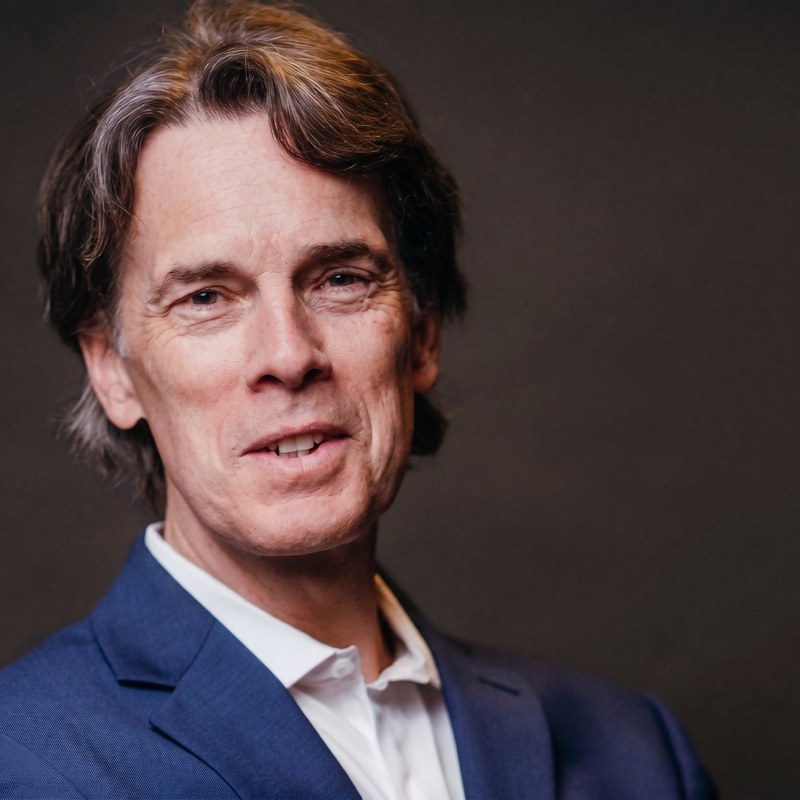
Reliance Trustee
A Reliance trustee and a retired professor of philosophy. He brings guest speakers to campus through the year.
Each student also gets mentors from the field they're exploring.
Where Students Live
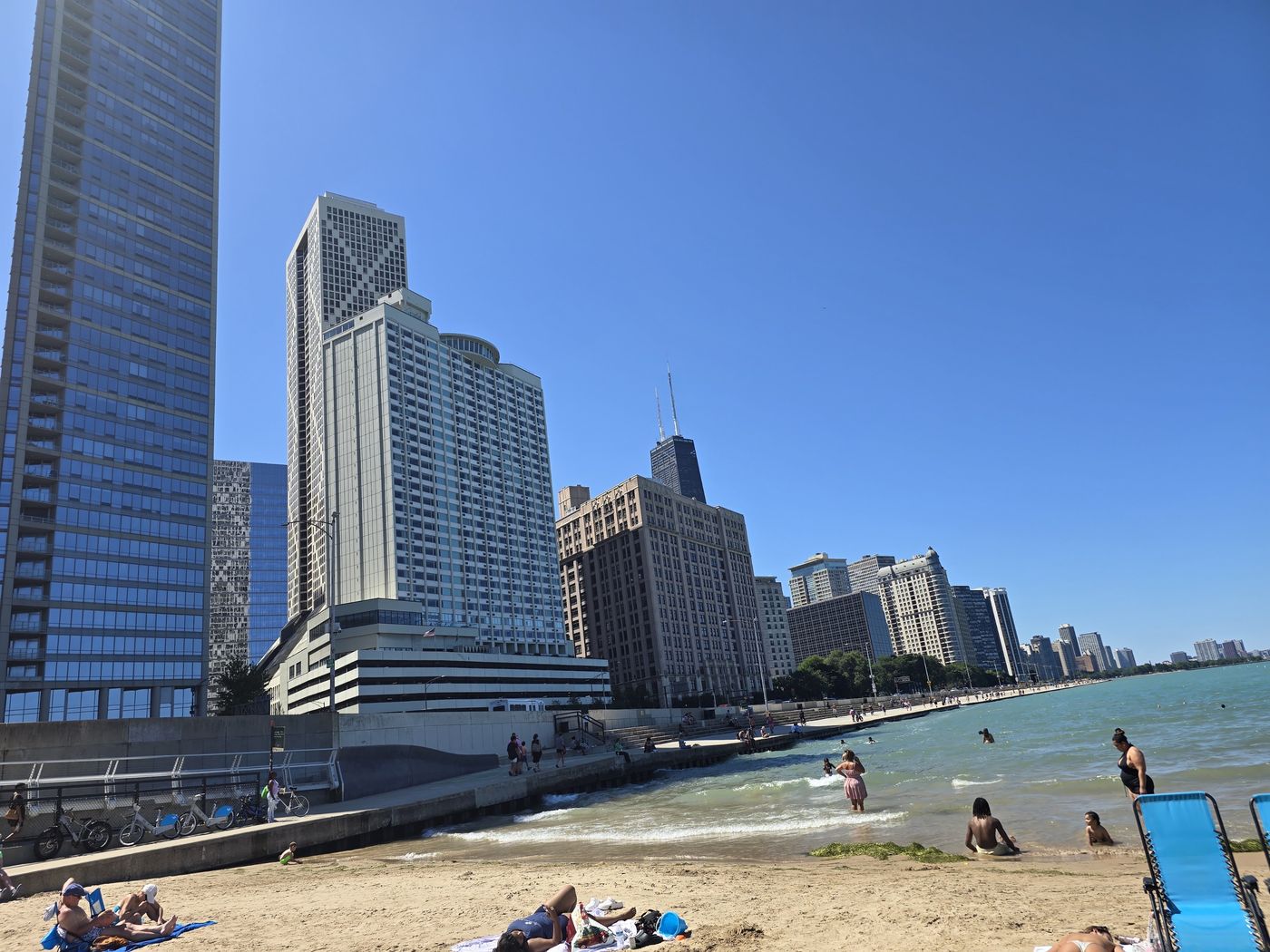
Students live in downtown Chicago. Reliance helps students find housing but does not provide it. Two private dormitories, University Center and The Buckingham, are options, and so are many long-term Airbnb rentals.
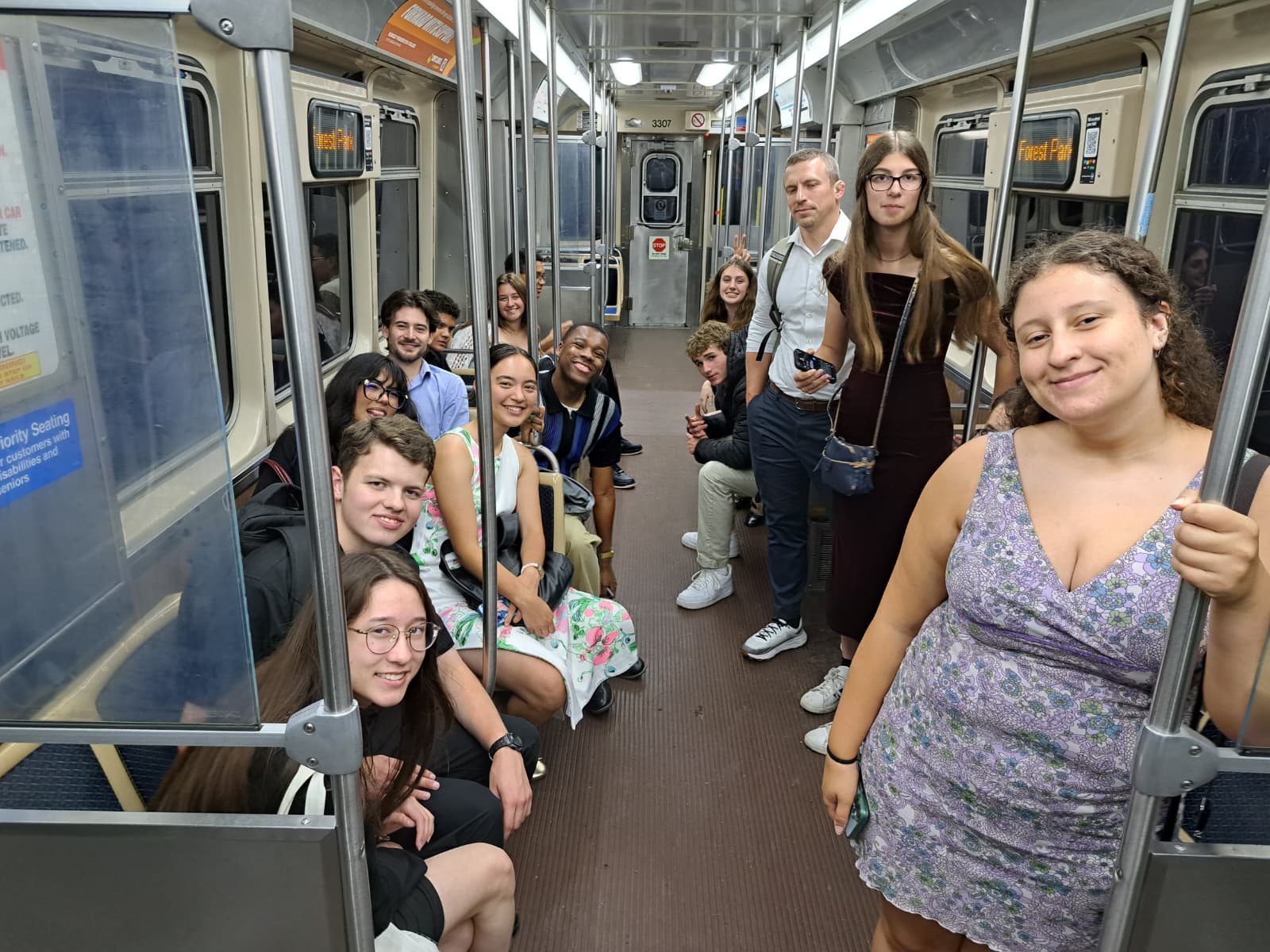
The city is part of the course. The spring quarter takes students to museums, theaters, concerts and some of the most famous buildings in American architecture.
Cost, Dates and Admission
The most important thing we look for is a student who wants to be here and will commit to the year.
Tuition is in line with a private Chicago high school.
Tuition and the first-year price: $22,000.
Merit scholarships and work-study are available. Work-study is worth $2,000 to $2,500. We take no government money, so every scholarship and every kind of help is privately funded. If cost is what stands in the way, say so on the form and we'll talk it through.
Open to high school graduates and up. Applicants send:
We recommend that applicants come to the Great Connections Summer Seminar, July 24 to 31, 2027, in Chicago. The expressive project carries heavy weight in admission.
The Reading List
Students read thinkers from across the range of human knowledge and across the political spectrum, including the thinkers on liberty that most schools leave out. Seminars use selections. Tutorials read whole works.


The winter is the project. Each student also reads one novel from a short list that includes Pride and Prejudice, The Possessed, Les Misérables, Oliver Twist, 1984 and The Fountainhead, and writes a detailed reflection on the view of life it puts forward.
Free Guide
A 20-page PDF with the whole year in one place: the three quarters, the winter project, the faculty, tuition and how to apply.
It's easy to print or pass on to a parent or counselor.
Questions
Something else on your mind? Write to Marsha Familaro Enright at marsha@reliancecollege.org.
Yes. It's a structured gap year between high school and college or work: nine months of seminars, a winter project, and a tutor and mentors for each student.
High school graduates who want to work out what to study, or whether college is the right next step, before paying for a degree. Open to high school graduates and up.
A portfolio of their writing, research and project work, a Certificate of Achievement (which requires 90% attendance), and recommendations from their mentors. Students can also work on their college entrance essays during the year.
Tuition is in line with a private Chicago high school. Tuition and the first-year price are $22,000, and merit scholarships and work-study are available. Work-study is worth $2,000 to $2,500. We take no government money, so every scholarship and every kind of help is privately funded.
In downtown Chicago. Reliance helps students find housing but does not provide it. Two private dormitories, University Center and The Buckingham, are options, and so are many long-term Airbnb rentals.
Send a transcript or portfolio, two letters of recommendation and an expressive project, and interview with the program director. We recommend coming to the Great Connections Summer Seminar, July 24 to 31, 2027, in Chicago. The expressive project carries heavy weight in admission. Start by requesting information below.
Yes. Write to Marsha Familaro Enright, the program director, at marsha@reliancecollege.org, or call 773-677-6418.
The Fall 2027 Class
Nine months. Three quarters. One real project you can show the world.
Request Information